
 Kapok Fiber
 Clove
Clove Coconut Briquette
 Patchouli Oil
 Ginger
 Coffee Beans
 Coconut Oil
 Cinnamon
Importers & distributors
You buy by the container and need what arrives to match the sample you approved.
Can I see a sample before I commit a container?How ordering works →
We are a trading company, not an agent. PT Imexindo Dua Bersaudara sources Indonesian commodities for overseas buyers and imported goods for manufacturers in Indonesia. We buy the goods ourselves and handle documentation and shipment under the agreed trade terms.
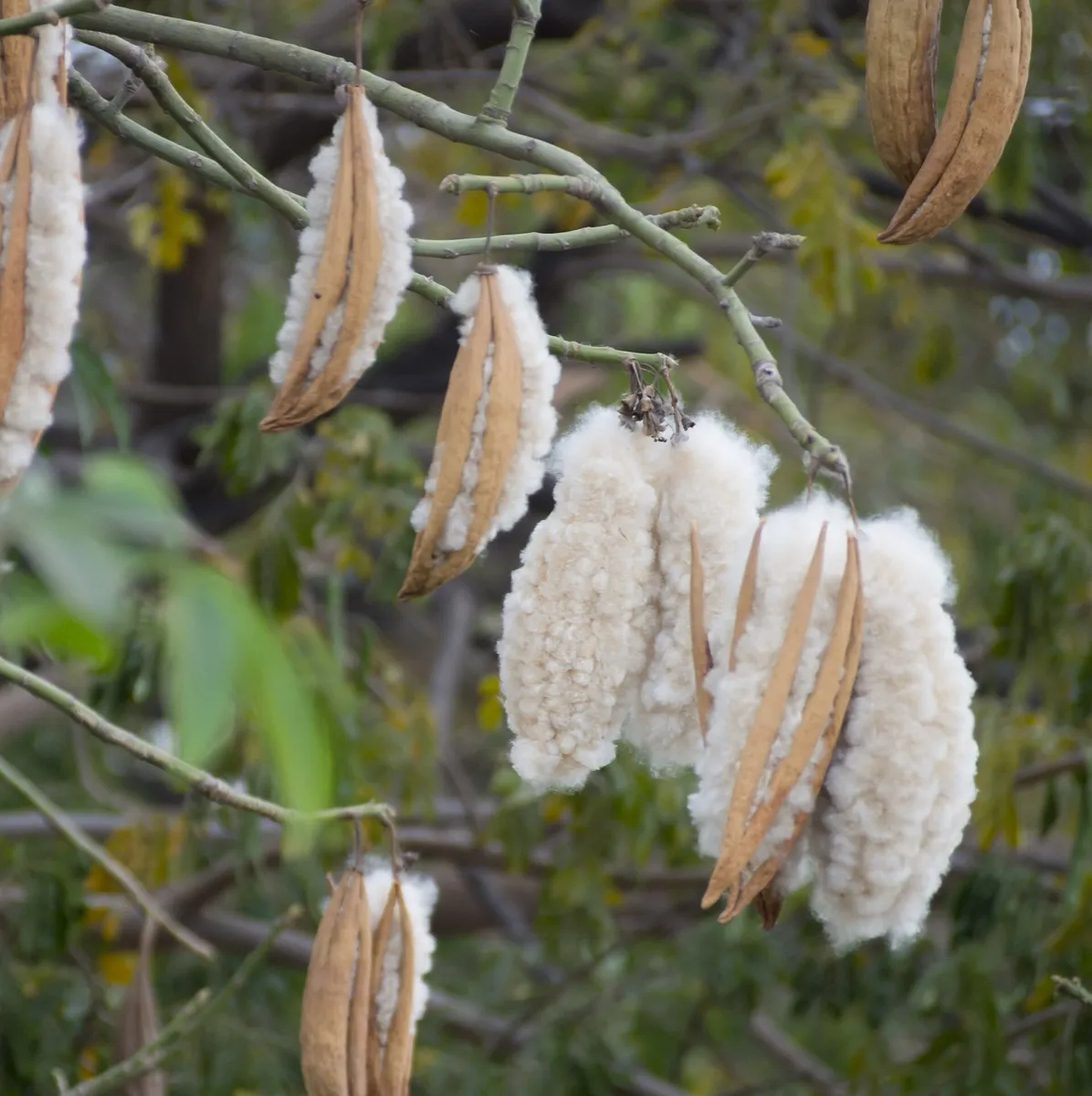
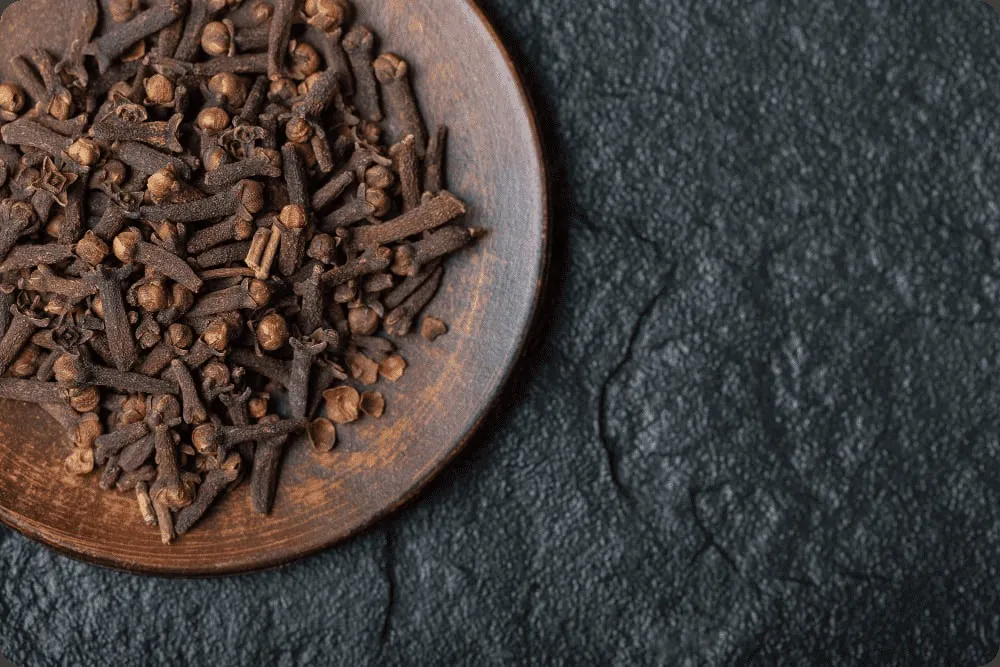
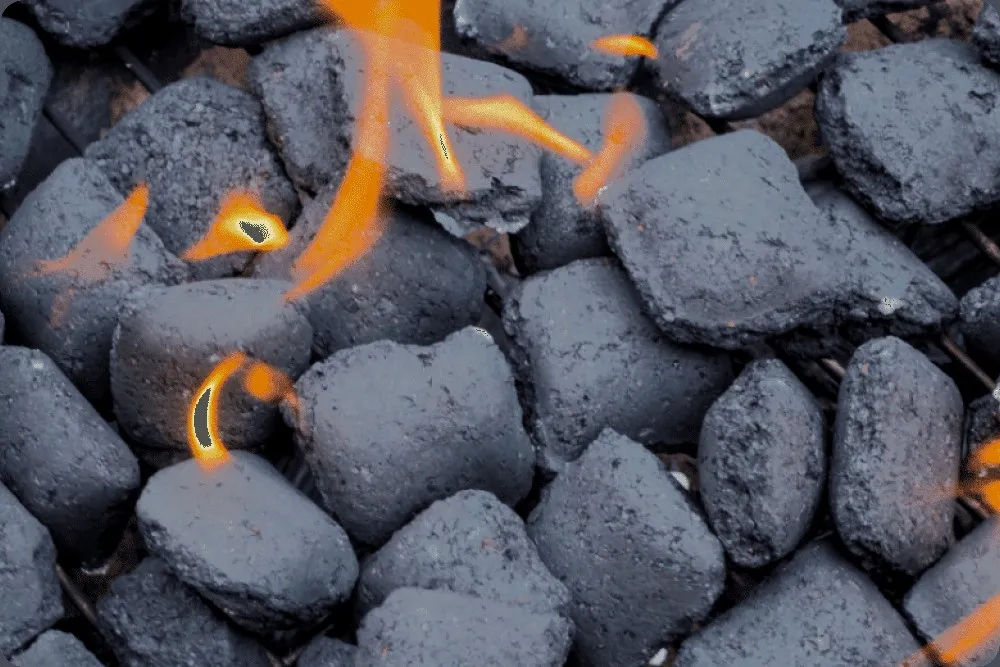

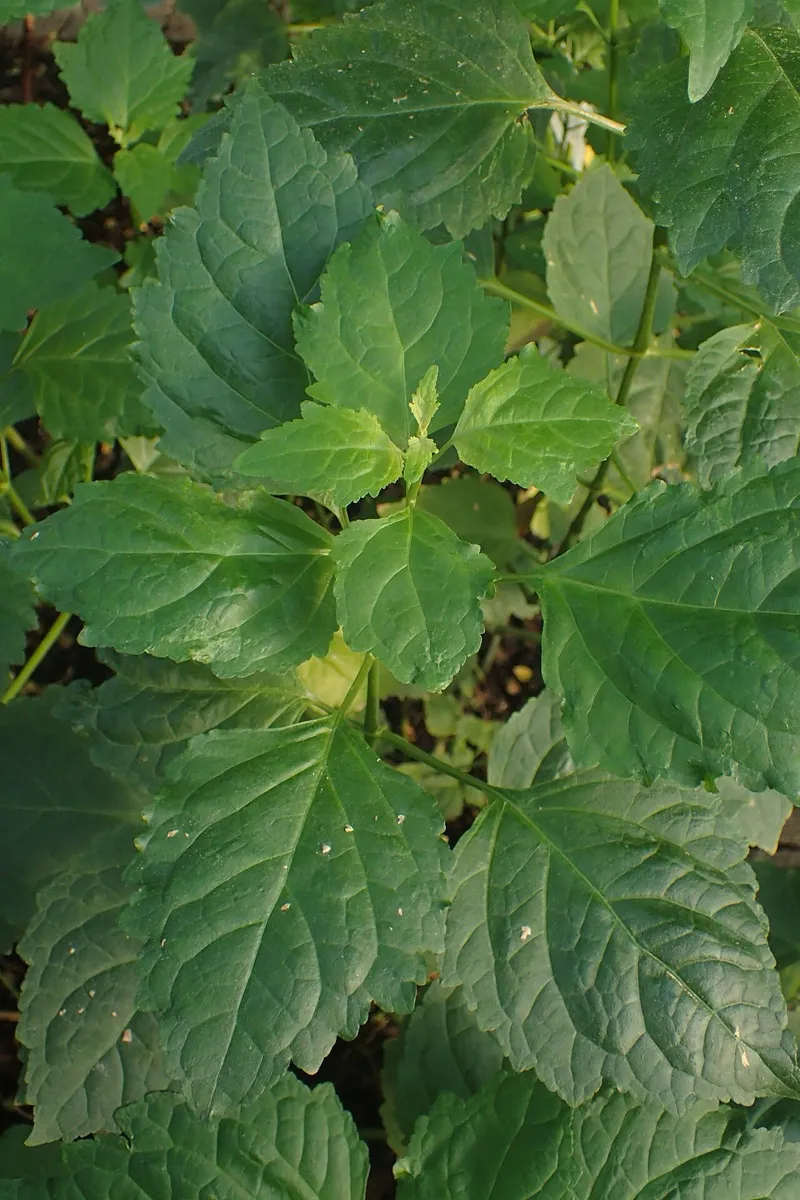
 Kapok FiberCloveCoconut BriquetteCoffee BeansPatchouli OilCoconut Oil
 Talk to our trade teamReplies the same working day
One 20ft container holds
4 to 18 tonnes
Depending on the goods. Kapok runs out of space, briquettes run out of weight.
Talk to our trade teamReplies the same working day
One 20ft container holds
4 to 18 tonnes
Depending on the goods. Kapok runs out of space, briquettes run out of weight.
Who we work with
Find the information that matches your sourcing or export needs.
You buy by the container and need what arrives to match the sample you approved.
Can I see a sample before I commit a container?How ordering works →
You need a steady raw material: kapok for bedding, coir for mattresses, coconut oil or spices for food.
Can you ship at the same specification every month?Browse the catalogue →
You grow or process goods and want to sell abroad without holding an export licence yourself.
Do I need my own export permit?See how export works →
Our lead commodity
We source kapok through our supplier network in Java. Review grades, packing and estimated container loads below, then send your volume and destination so we can check availability.
Our lead commodity
Around 80 to 90 per cent of the world's patchouli oil comes from Indonesia. World output itself is small, roughly two thousand tonnes a year, so fragrance houses almost always end up at a distillery here. This page covers the grading basis and how it ships.
Our lead commodity
Around half of the world's coconut shell charcoal briquette exports come from Indonesia, and the largest market is the Middle East for shisha grade. Unlike a farmed commodity, briquettes are made in a factory, so what governs supply is not the harvest but production consistency.
Source for world supply shares: 2024 market reports.
Two directions
Export from Indonesia and import into it run through the same desk: the goods, the permits, and the documents in one hand.
Commodities from our partner growers and mills, shipped to buyers abroad.
Goods from overseas suppliers that we source, pay for, and bring in under our own name.
Beyond kapok
Kapok FiberFibre & industrial materials
Central & East Java
Coconut BriquetteProcessed goods
Java & Sumatra
Coconut OilProcessed goods
Sulawesi & Sumatra
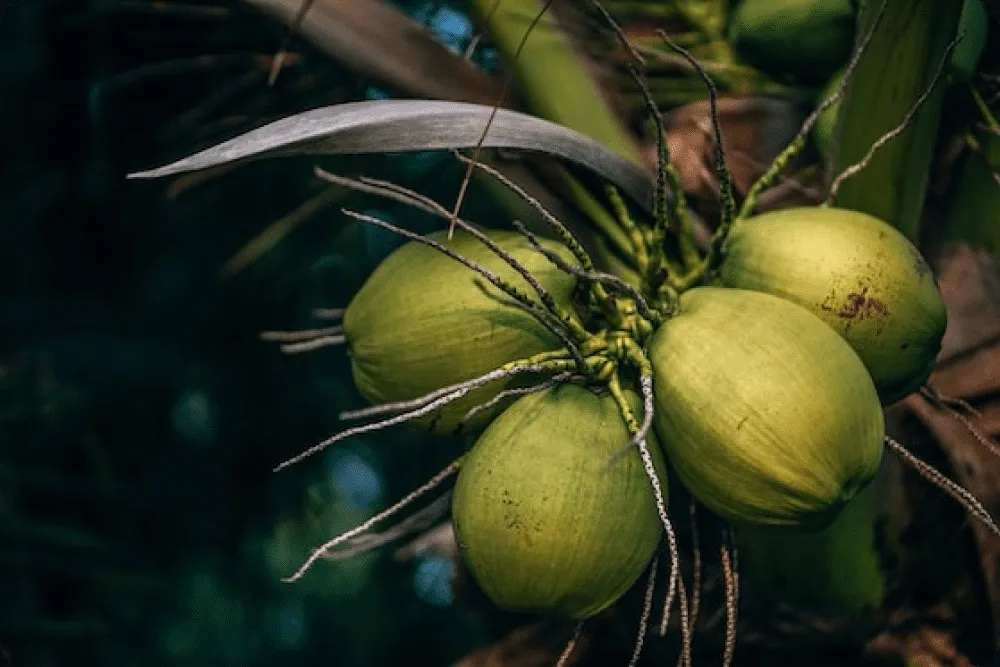 Coconut FruitProcessed goods
Sumatra & Sulawesi
Coconut FruitProcessed goods
Sumatra & Sulawesi
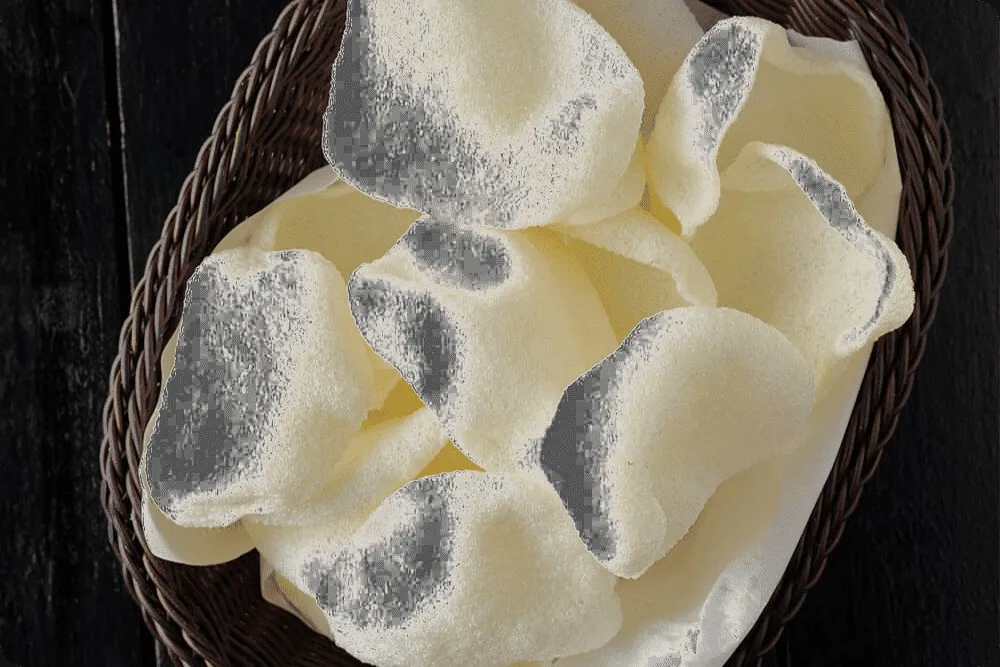 Fish CrackersProcessed goods
Java & Kalimantan
Fish CrackersProcessed goods
Java & Kalimantan
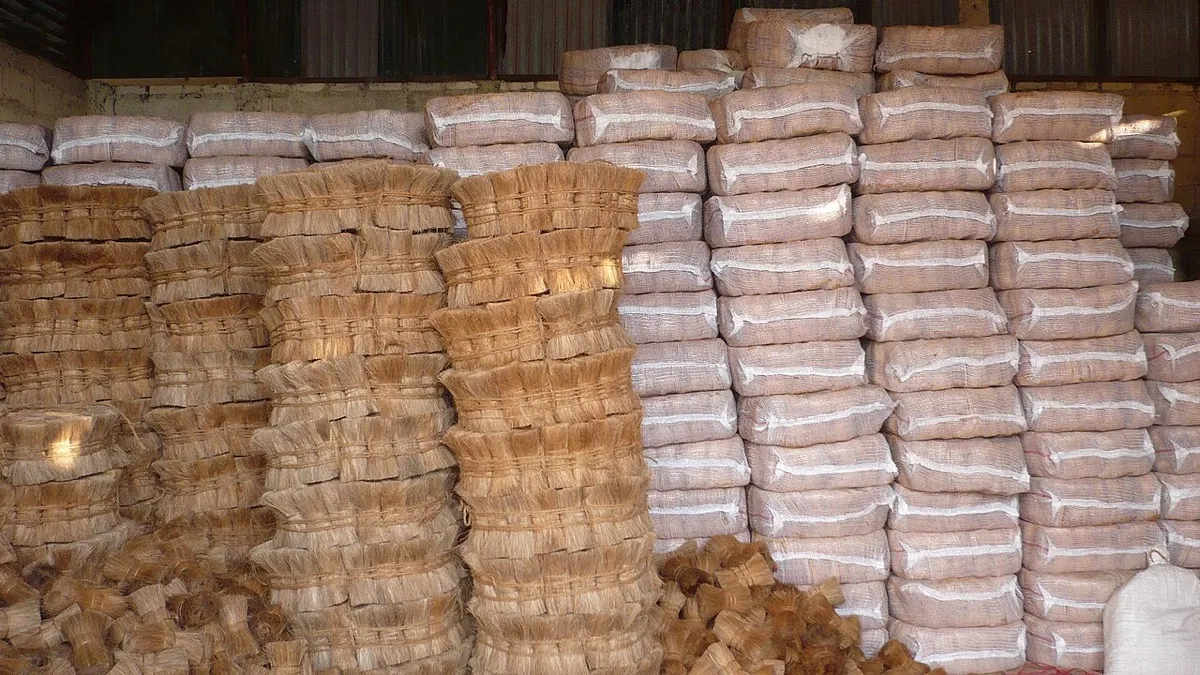 Coco FiberFibre & industrial materials
Java & Sumatra
Coco FiberFibre & industrial materials
Java & Sumatra
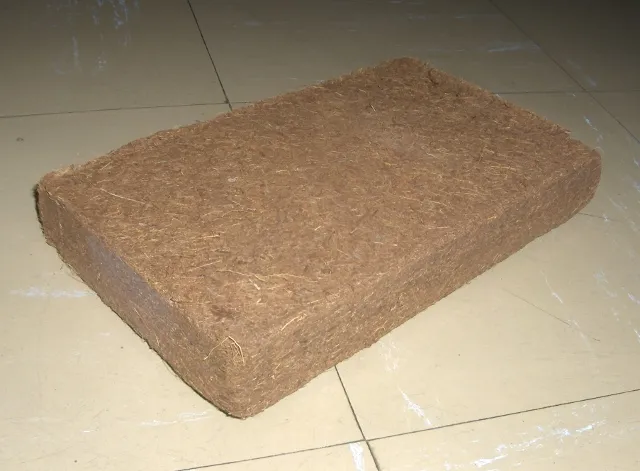 CocopeatFibre & industrial materials
Java & Sumatra
CocopeatFibre & industrial materials
Java & Sumatra
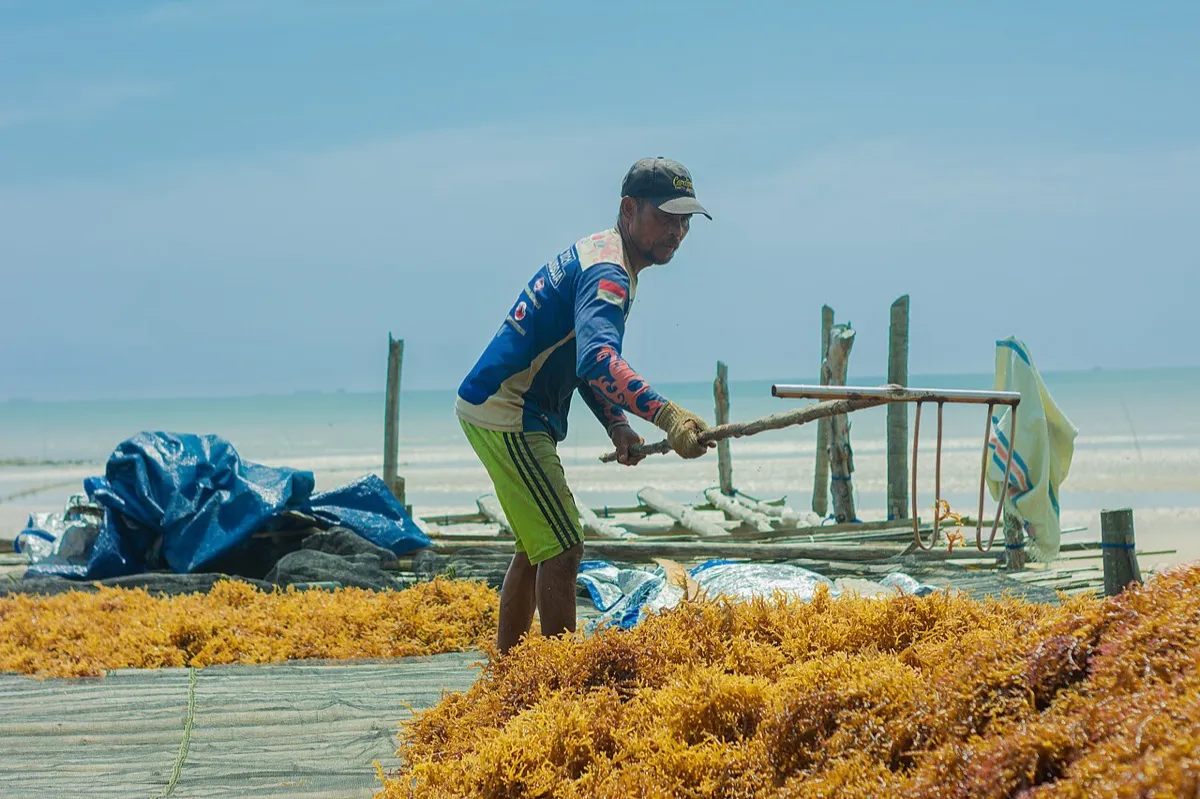 SeaweedMarine products
Sulawesi & Nusa Tenggara
Patchouli OilEssential oils
Aceh & Sulawesi
SeaweedMarine products
Sulawesi & Nusa Tenggara
Patchouli OilEssential oils
Aceh & Sulawesi
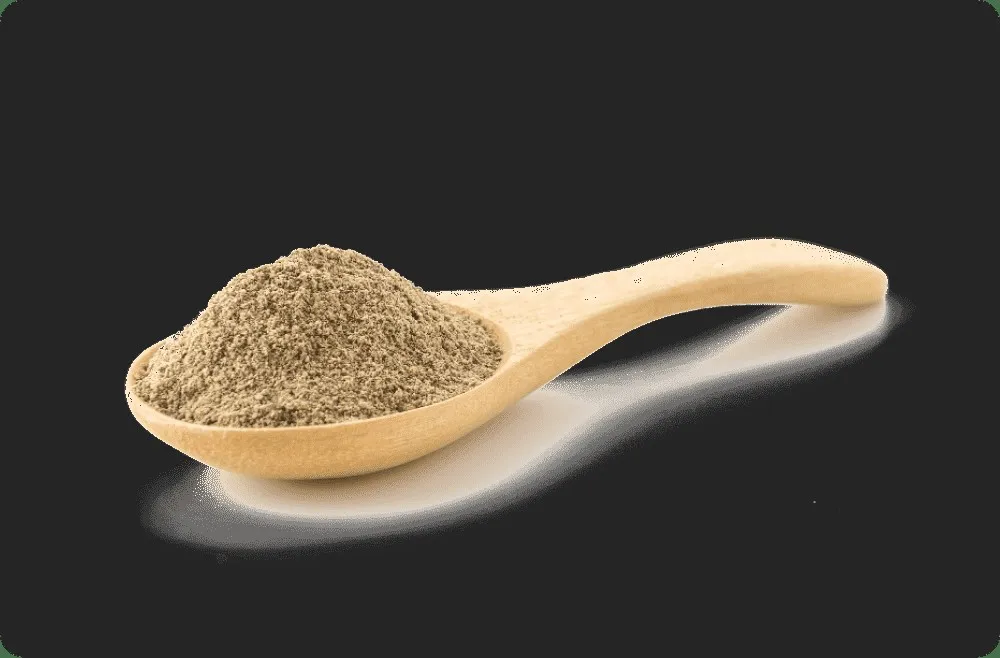 White PepperAgricultural & food
Lampung
White PepperAgricultural & food
Lampung
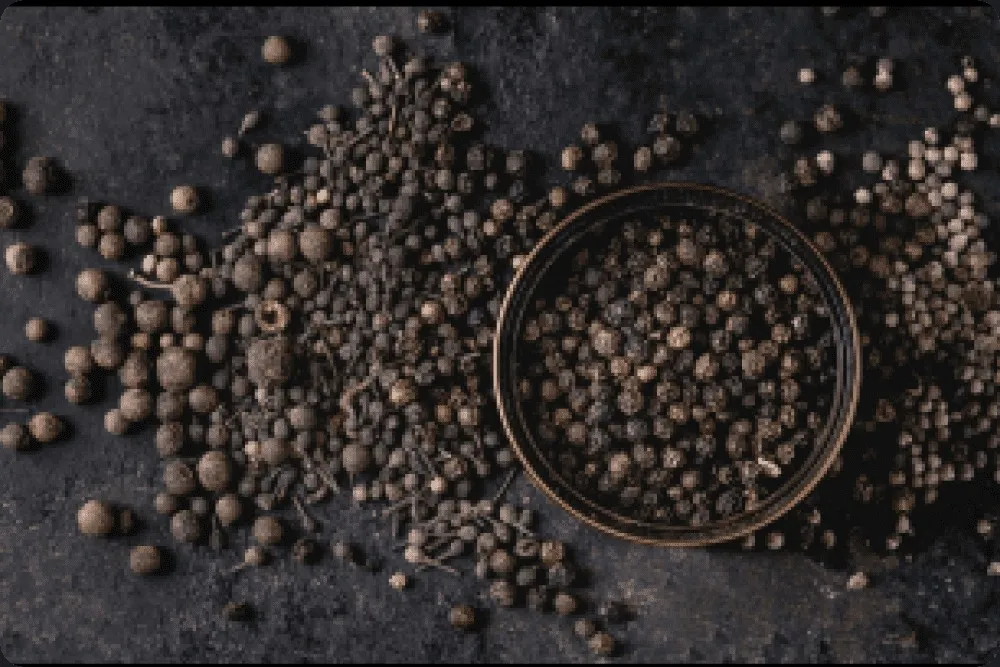 Black PepperAgricultural & food
Lampung & Bangka
CloveAgricultural & food
Sulawesi & Maluku
Black PepperAgricultural & food
Lampung & Bangka
CloveAgricultural & food
Sulawesi & Maluku
 NutmegAgricultural & food
North Maluku
NutmegAgricultural & food
North Maluku
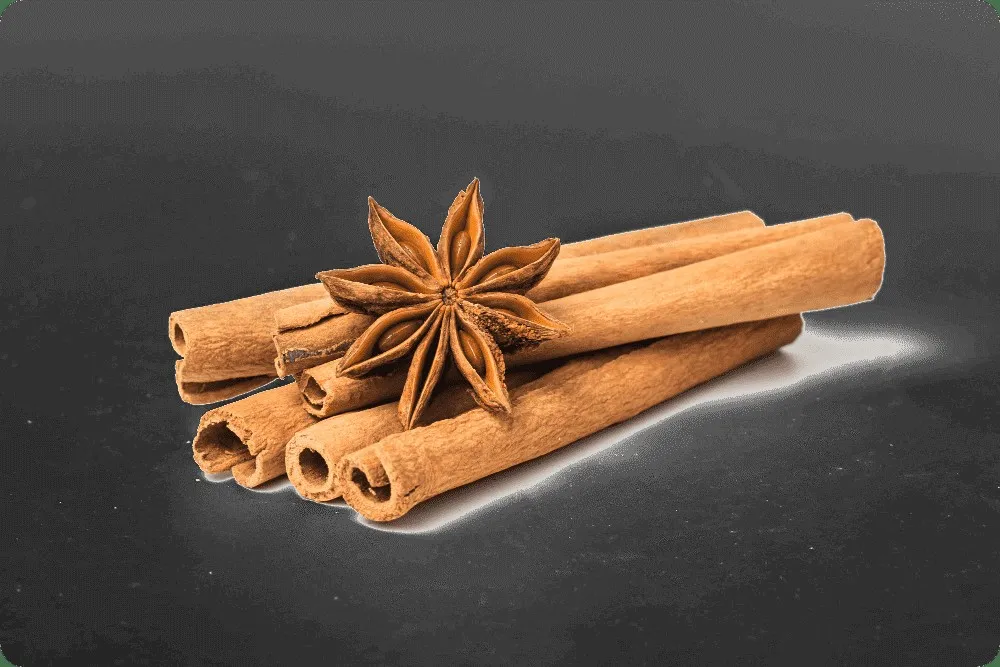 CinnamonAgricultural & food
Kerinci, Jambi
CinnamonAgricultural & food
Kerinci, Jambi
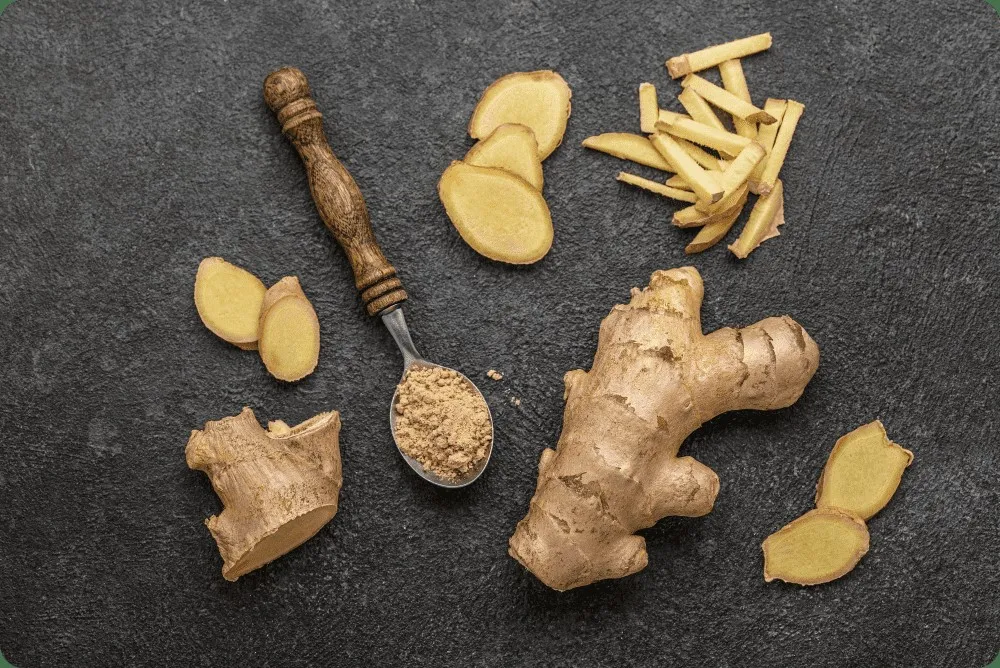 GingerAgricultural & food
Java & Sumatra
GingerAgricultural & food
Java & Sumatra
 TurmericAgricultural & food
Java
Coffee BeansAgricultural & food
Sumatra, Java, Sulawesi
TurmericAgricultural & food
Java
Coffee BeansAgricultural & food
Sumatra, Java, Sulawesi
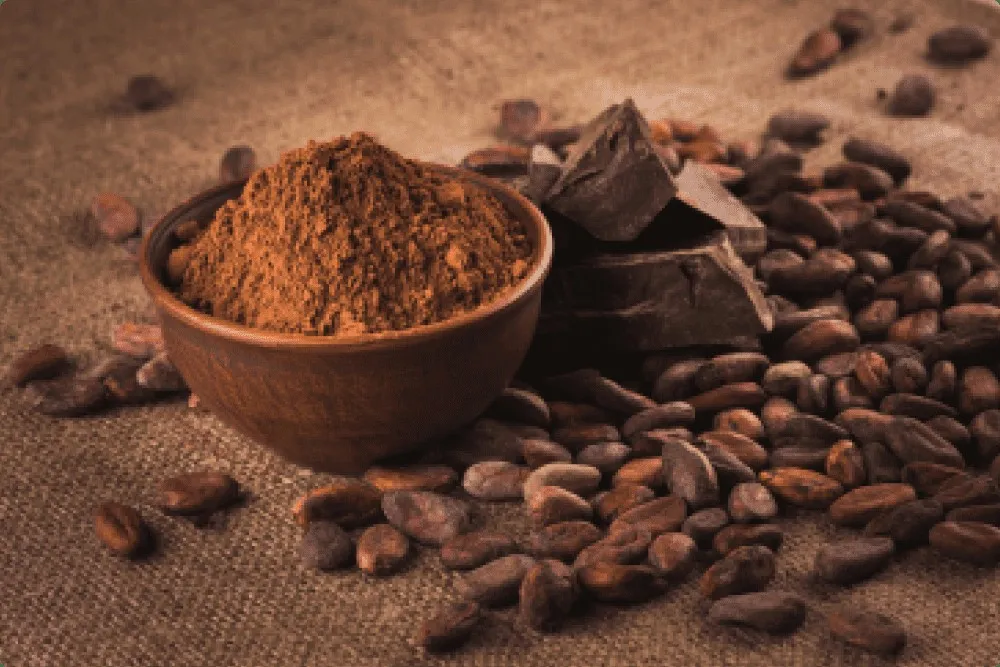 Cocoa BeansAgricultural & food
Sulawesi
Cocoa BeansAgricultural & food
Sulawesi
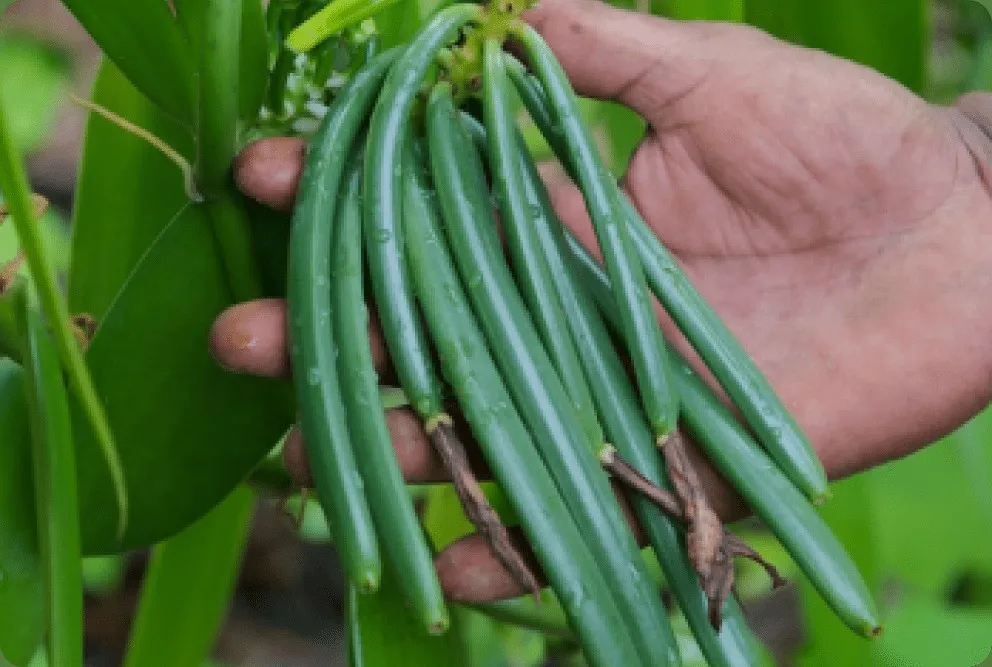 Wet VanillaAgricultural & food
Java & Bali
Wet VanillaAgricultural & food
Java & Bali
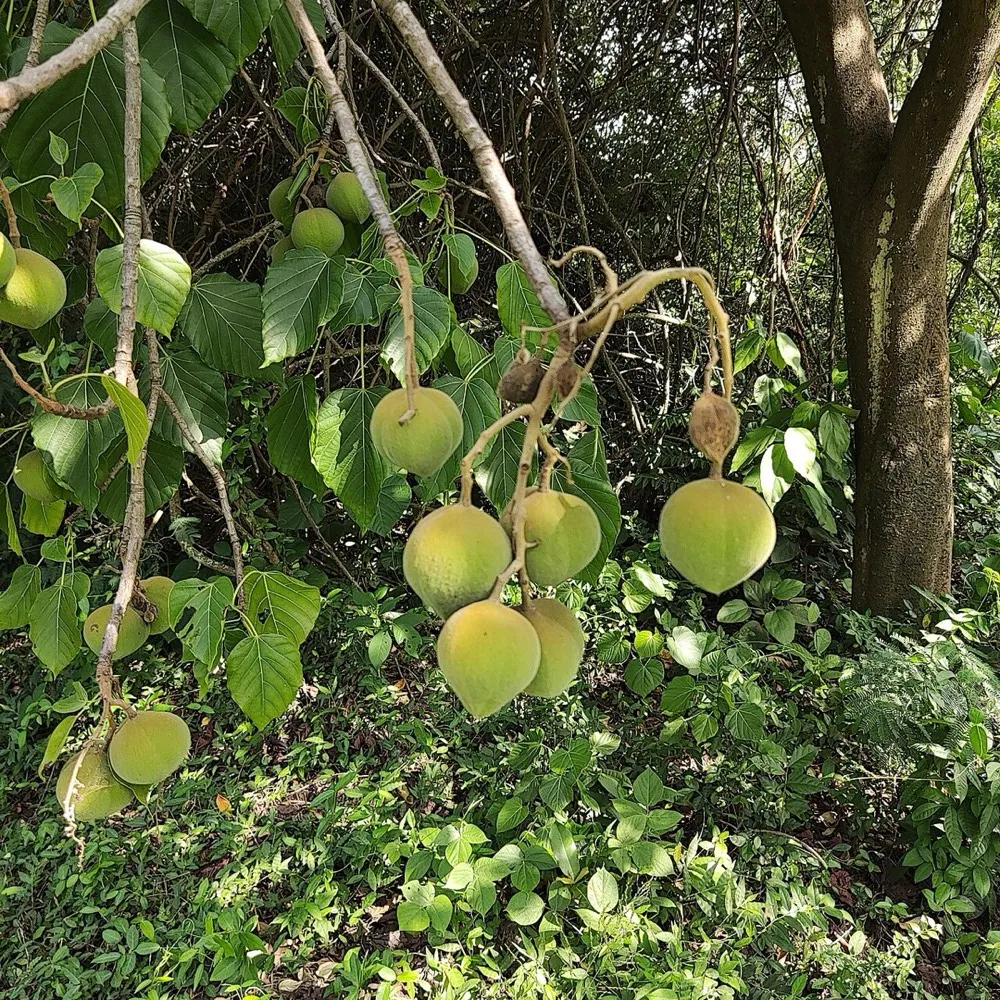 CandlenutAgricultural & food
Sulawesi & Nusa Tenggara
CandlenutAgricultural & food
Sulawesi & Nusa Tenggara
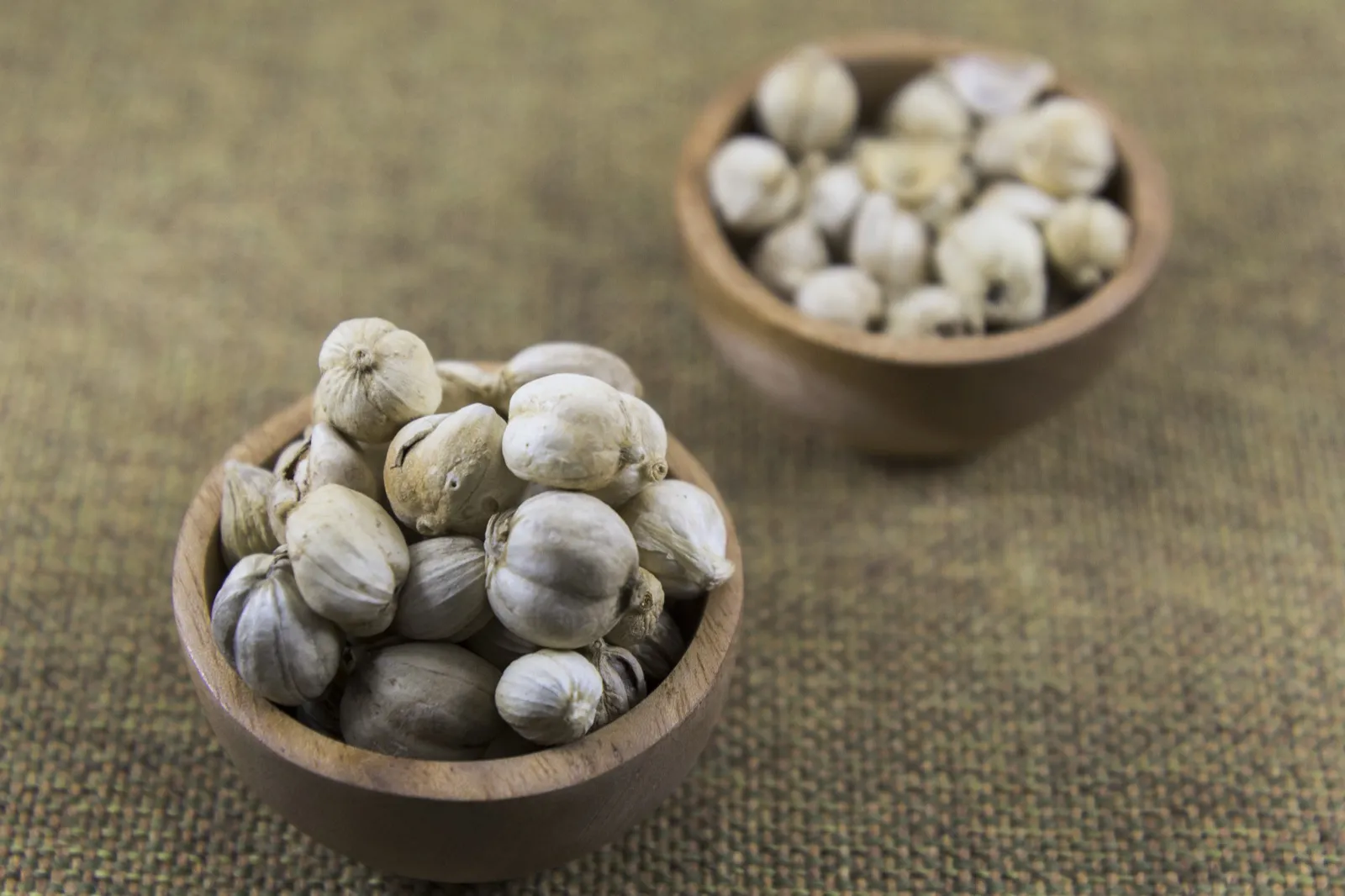 CardamomAgricultural & food
West Java & Sumatra
CardamomAgricultural & food
West Java & SumatraWhat you see is a sample of what we have handled, not the limit of what we can source. Tell us the commodity, the origin, and your volume, and we will check availability and the rules that apply.
Load calculator
A container can fill by volume before it fills by weight, or the other way round. Whichever comes first is what sets your cost per kilogram.
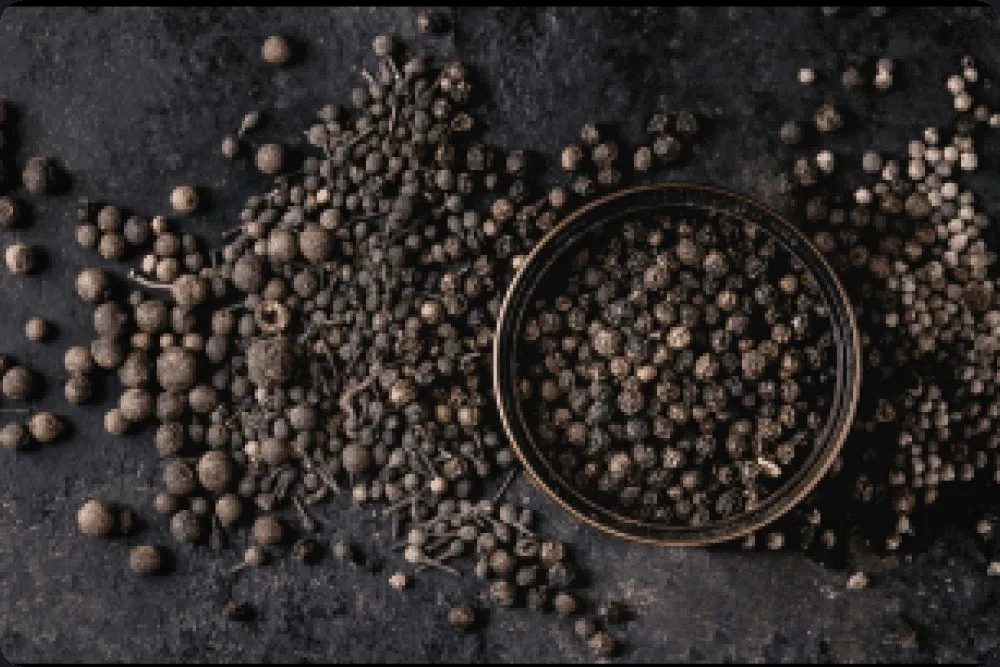
Compare black pepper against kapok at the same tonnage. The gap is not small.
Weight and volume per package are indicative. Once your packing is confirmed we recalculate together with freight.
Handling
Your quotation states what handling and which costs are included, based on the goods and the agreed delivery point.
We find the supplier or the buyer, then negotiate until the price and terms work.
Export permits, import permits, and the handling of restricted goods.
The trade contract, export or import declaration, certificate of origin, and supporting papers.
Quality check before loading, container sealing, and position reports on the way.
How we handle it
We check the product and its import requirements before purchasing. Restricted goods must meet the applicable requirements before shipment proceeds.
We do not handle prohibited goods. For restricted goods, we check the tariff classification, required permits and import eligibility before quoting.
We check the supplier’s identity and match the product specification to its tariff classification.
We review INSW and the relevant authorities’ requirements to identify the permits and documents needed for the product.
IDB purchases from the supplier once import eligibility and transaction terms have been agreed.
We submit the customs documents and follow up on inspections. Release dates depend on the inspection outcome and approval by the relevant authorities.
What sets the pricePrice depends on grade, volume, packing and destination.
Your quotation records the specification and included costs.
Where it grows
Origin decides grade long before price is discussed. These are the regions our cargo is bought from.
Pick a region from the list to see where it sits. Every point uses real coordinates.
How to order
Six stages with working-day estimates and the information we ask for at each one. What decides the schedule is rarely the voyage; it is how quickly the specification is settled at stage two.
Name the goods, a rough volume, and the destination country.
Detail follows: specification, company papers, target dates.
One price to the delivery point, then negotiated.
The agreement goes on paper and the first payment lands.
PEB, certificate of origin, and quarantine issue first, then the goods move.
Quality checked, container sealed, position reported until arrival.
Name the goods, a rough volume, and the country of origin.
The specification is pinned down to its tariff code, which reveals the permits required.
One price to your warehouse, then negotiated.
The agreement goes on paper and the first payment lands.
Permits issue first, then we buy the goods from the supplier under our name.
Import customs is cleared, the goods leave the port and are delivered to you.
Limits
Said at the start, so nobody's time is wasted.
Products prohibited under Indonesian law or under sharia.
Restricted goods whose permits genuinely cannot be issued for your situation. We say so at the start, not after money has moved.
Goods with production defects or below the standard the other side requires.
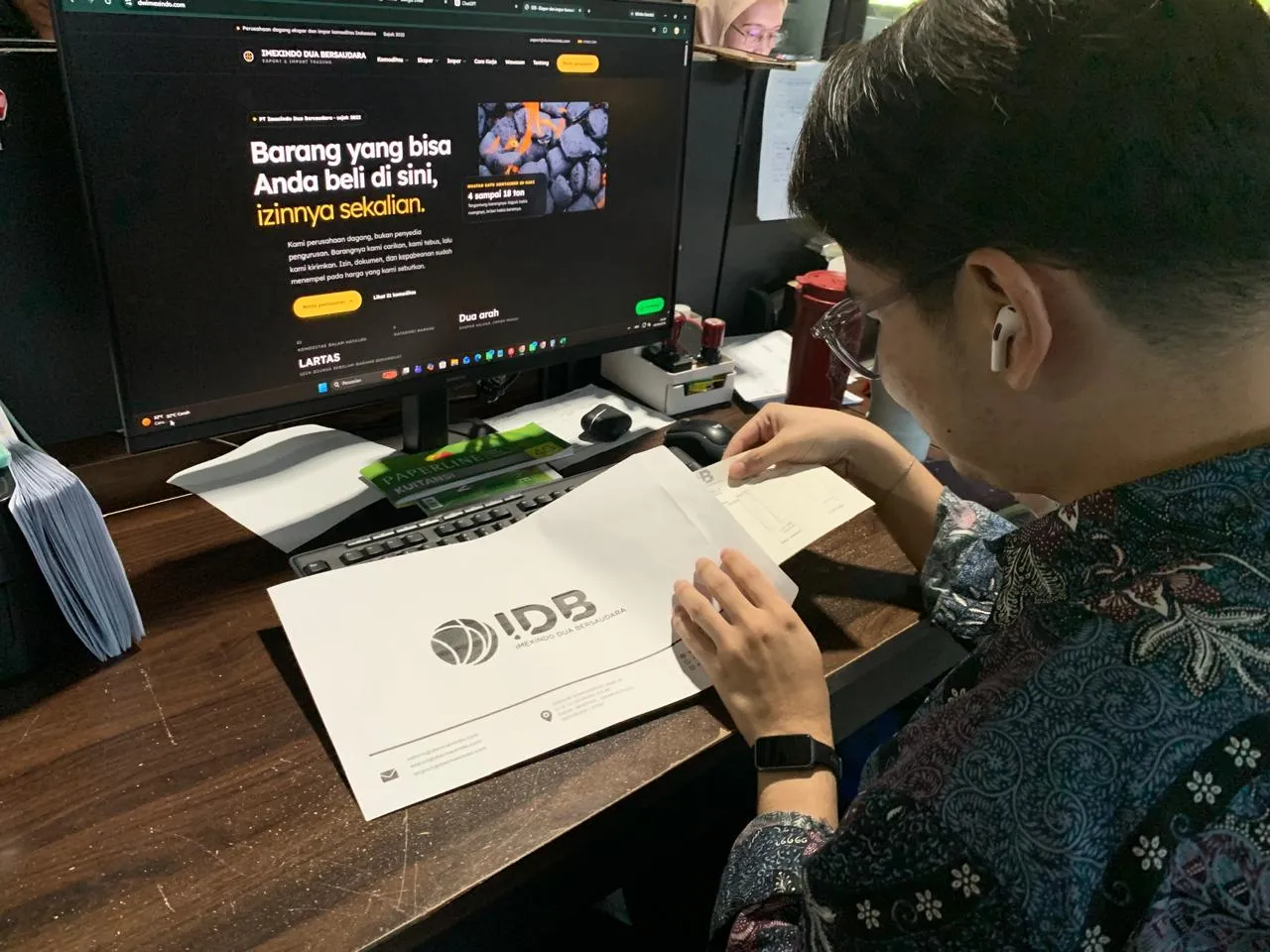
The people behind IDB
When you write to IDB you reach our trade team directly, not a call centre. The same team checks the goods, prepares the documents and answers your questions.
Three things are enough: the commodity, a rough volume, and the country of origin or destination. From those we can already say whether we can take it on. Detailed data is only asked for once the answer is positive.
The price follows the product specification and agreed delivery point. Your quotation lists the handling scope, included costs and any costs payable by the buyer.
Around six weeks for goods that are in stock and need no special permits. What decides the schedule is rarely the voyage; it is how quickly the data from your side is complete.
Usually yes. The only difference is how long the permit takes to be issued. We map the tariff code and the required permits first, then have them issued before the goods move, not after they are held at the port. We do not handle prohibited goods.
Insights
Answers to the technical questions buyers ask before they get in touch.
ProcedureA container buyer’s guide to importing Indonesian green coffee: choosing origin and grade, approving samples, agreeing terms and preparing shipment.
7 October 2026 · 6 min read
QualityA coffee-bean quotation is easier to discuss when the product form, quality profile, packing, volume, and destination are clear from the outset.
6 October 2026 · 6 min read
QualityA kapok fibre quotation request is easier to review when the buyer records intended use, fibre condition, review points, samples, packing, and requirement context from the outset.
5 October 2026 · 6 min readStart here
Three lines are enough on a first message: the commodity, roughly how much, and your destination port. We reply the same working day.
PDFCompany profileCompany profile and commodity list WAWhatsApp our trade deskFor quick questionsYour details are used only to reply to you and are not shared with third parties.