
An Indonesian turmeric enquiry is easier to review when product form, condition, quality needs, packing, and destination are described from the outset.
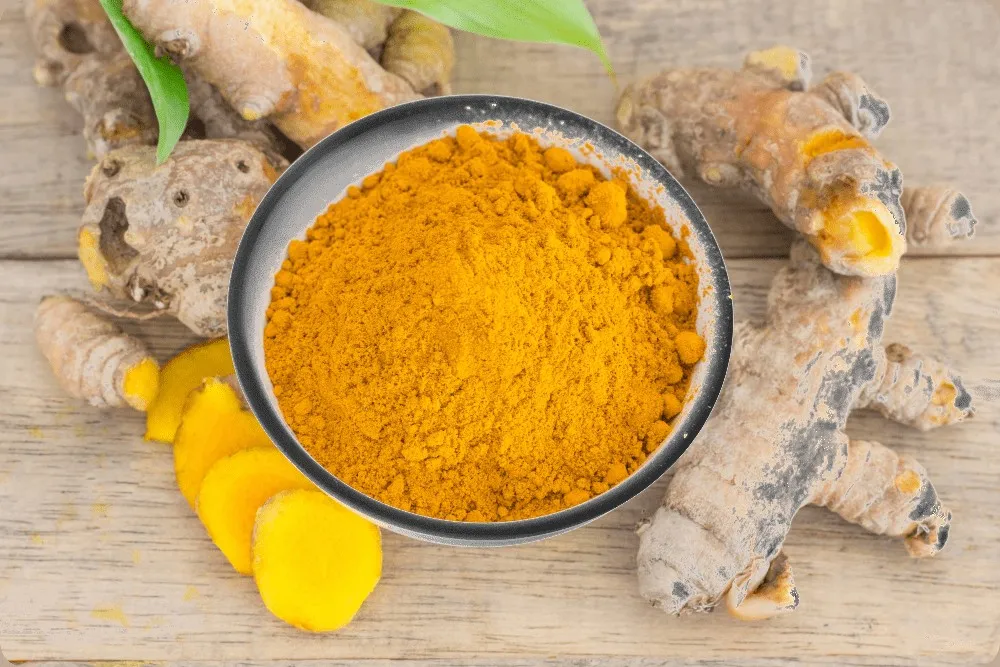
Turmeric is recognised as a yellow ingredient for food and processing, yet the commodity name alone is not enough to begin an international trade discussion. A buyer should describe the turmeric form sought, acceptable condition, intended use, inspection needs, and destination country. Without this information, two parties may both be discussing turmeric while envisaging different goods.
For a buyer sourcing turmeric from Indonesia, a clear initial specification separates information already available from points that still need clarification. PT Imexindo Dua Bersaudara is a trading company that discusses commodity requirements against a buyer's request; it is not a plantation owner or turmeric producer. This guide explains how to prepare quality information for a more useful quotation enquiry.
The purpose is not to set a price, promise stock, or replace an inspection of the goods. It is to provide enough context for replies to be understood and compared. A disciplined enquiry also gives purchasing, quality, and logistics colleagues one shared reference for the next discussion.
Which turmeric form do you mean?
State the product form in the first message. The requirement may concern whole rhizomes, cleaned rhizomes, dried slices, powder, or another form that is relevant to your process. The form affects the questions around physical condition, packing, and inspection preparation. The word turmeric without further context is often too broad to support a useful quotation discussion.
It also helps to explain the end use in general terms. There is no need to disclose a recipe or an internal process. Indicate whether handling, consistency of form, or particular characteristics need discussion by your team. This allows the next conversation to move from a commodity name towards requirements that can actually be addressed.
What quality information should be stated clearly?
Rather than relying on labels that different parties may interpret differently, describe the characteristics to be assessed. You might set out physical condition, the cleanliness points to be discussed, consistency of form, or the condition of packing on receipt. Where your team uses its own inspection list, identify relevant points without turning them into a claim that every lot will necessarily be identical.
Photographs can provide context, but they are not a substitute for assessing the goods. If a sample or lot information is required before a decision, include that as part of the process. A result from one sample should be treated as material for a particular discussion, not as a guarantee about goods that have not yet been reviewed.
To keep the discussion focused, rank quality parameters from those that matter most for acceptance to those that simply help compare options. Record who in your team will read each item and when an answer is needed. This makes the enquiry easier for both parties to review and avoids treating broad terminology as though it were already a detailed agreement.
- State the turmeric form and product condition to be discussed.
- Separate mandatory requirements from preferences that remain open.
- Explain whether a sample or lot information is required.
- Keep one specification version for purchasing, quality, and logistics.
Why do packing and indicative volume matter?
Packing provides context for how the goods will be handled, while indicative volume helps sequence the next questions. You do not need to fix a final quantity in the first contact. An indication of need and the packing format to be discussed nevertheless make a reply more relevant than an enquiry that only names the product. If the requirement changes, revise the specification so that an earlier response is not mistakenly used to compare a new option.
Volume should also be separated from a shipping decision. Where the requirement may be discussed in container terms, first organise the packing assumptions and quantity per package. The final arrangement still depends on the goods and packing agreed for your transaction, so keep estimates clearly distinguished from confirmed details.
How should the destination be included without assuming requirements?
The destination country should be named early because it helps organise a discussion about shipment and information that may require review by relevant parties. A destination is not a reason to assume that one set of requirements applies to every transaction. Requirements can vary with the goods, product form, and transaction conditions. Treat the destination as context for further questions rather than as evidence for an unverified certainty.
Where a third party will receive or inspect the goods, briefly identify its role in the enquiry. This helps distinguish the buyer's product needs from steps that still need confirmation by a consignee, carrier, or relevant authority. Product information can then be recorded clearly without mixing it with assumptions about a process at destination.
If delivery terms will enter the discussion, make sure each party understands its role before a term is selected. A trade term can offer useful context for allocating responsibilities, but an abbreviation does not replace a clear agreement for a specific transaction.
Create an enquiry that can be compared
A concise enquiry can include the turmeric form, required condition, mandatory quality parameters, packing to be discussed, indicative volume, destination country, and open questions. Where there is a comparator sample or inspection format, explain when it is needed. This information does not commit you to a purchase, but it helps parties respond on a more comparable basis.
Keep changes in one working document. A purchasing team may assess quotations, while quality colleagues review product information and logistics colleagues consider destination context. When each group works from the same version, unanswered questions are easier to identify. Mark a point as confirmed only once the required information is actually available.
Begin with information that can be checked
Before sending the enquiry, read it from the recipient's perspective. Are the turmeric form, inspection needs, packing, indicative volume, and destination clear? If a point is still an assumption, record it as an open question. This small step can reduce back-and-forth messages and give your team a stronger basis for reading the replies.
You can begin by sending a short specification and identifying the requirements that matter most. IDB can assess the fit of that request and continue the discussion from the information available. This keeps the conversation practical without promising price, availability, or shipping timing that has not been confirmed.