
A coconut fibre enquiry is easier to compare when fibre form, condition, packing, volume, and destination are written down before a quotation is discussed.
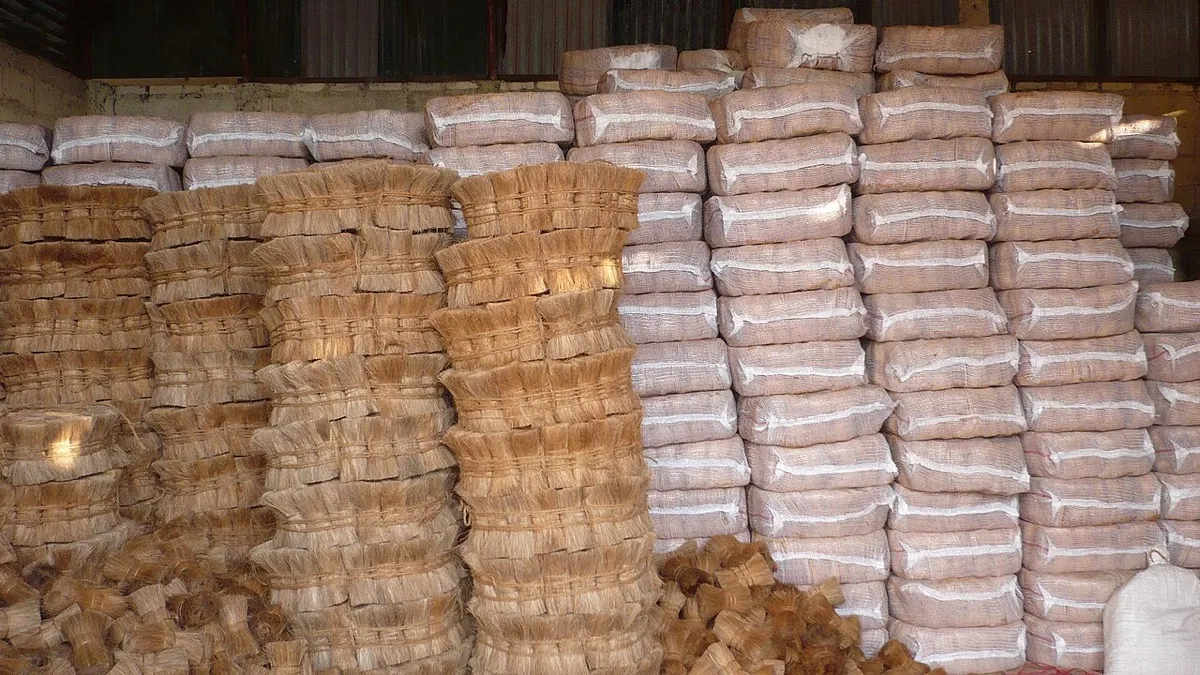
Coconut fibre, also called coco fibre or coconut coir fibre, can serve very different uses. One buyer may need long fibre for further processing, another may place more weight on cleanliness, and another may need bales that suit its receiving equipment. The product name alone therefore does not create a quotation request that different suppliers can answer on the same basis.
A stronger starting point is to describe what the buyer needs assessed. State the required fibre form, the intended use where relevant, acceptable condition, packing approach, indicative volume, and destination country or port. These details do not promise availability or a price. They give the buyer and trading company a shared basis for discussing the same goods from sample review through to a quotation.
PT Imexindo Dua Bersaudara is a trading company, not a plantation owner or coconut-fibre manufacturer. This guide concerns information a buyer can prepare to make an early discussion more orderly. It does not treat a general description as proof of quality, shipment timing, or stock.
Start with the fibre form you need
The term coconut fibre can conceal meaningful differences in form and handling. In an enquiry, explain whether you seek long fibre, fibre with a particular character for downstream processing, or material to be blended with another input. If your team uses an internal product term, add a plain description so purchasing, quality, and preparation teams do not interpret it in different ways.
The intended use can provide helpful context without disclosing confidential information. Filling, mattresses, and growing-media applications may lead to different questions about fibre length, cleanliness, or dust. Avoid labels such as best or premium when they have no acceptance criteria. It is clearer to list the features that need assessment and mark any points that remain open for discussion.
Separate fibre condition from general quality claims
Photographs can help identify general colour and form, but they do not replace a specification. A buyer should identify the physical condition that matters, such as consistency, cleanliness, foreign material to be considered, or the condition expected on receipt. If the buyer organisation uses its own inspection method, provide it early so the parameters can be understood by both sides.
Moisture should also be discussed as part of product condition rather than as a figure assumed to apply to every transaction. Buyers can describe any limit or test method that their internal process requires. Where no agreed limit exists, ask for information about the offered lot and assess a sample first. This keeps a buyer requirement from becoming an untested claim about the goods.
- State the fibre form and end use where it changes the checks required.
- Separate mandatory requirements from preferences still open to discussion.
- List condition, cleanliness, or moisture parameters together with the assessment method where available.
- Keep one specification version for samples, quotations, and receipt evaluation.
Set out baling and packing requirements early
The same fibre may need a different baling or packing approach depending on the buyer's receiving facility. Explain whether there is a bale-size limit, a protective requirement, a packing mark, or a handling method to consider. Packing is not simply a warehouse task to be added after quality has been agreed. It affects handling, inspection, and comparison when the goods arrive.
If the final format has not been set, say so plainly. A supplier can then ask relevant questions about the packing approach under consideration. This is more useful than submitting details that appear final but have not been approved. A written record also helps when something changes between sample review and a planned order.
Include volume and destination without promising shipment
Indicative volume and destination give important context for a quotation discussion, but neither has to be presented as fixed. Buyers can state a range, expected purchasing frequency where relevant, the destination country, and a port under consideration. This information puts packing and handling discussions in the right context without promising a schedule or product availability.
For light or bulky materials, a load discussion needs to consider volume and packing arrangement together. The actual calculation depends on the agreed specification and packing pattern. A buyer should therefore share the information it has, then let any remaining assumptions be identified before a quotation is compared.
Use a sample as a checkable reference
A sample is most useful when read alongside a written specification. Before it is assessed, record the product requested, the characteristics to be checked, how the buyer will provide feedback, and which points remain undecided. On receipt, compare the sample against that same list. Keep a record of what fits, what needs clarification, and what changes are requested for the next discussion.
A sample does not automatically represent every future shipment. It can nevertheless make the conversation more concrete than a product name or image alone. Where a buyer has a comparator sample or internal inspection format, explain its role as a reference rather than assuming every party understands it in the same way.
Create a quotation request that can be reviewed
An initial request can include the coconut-fibre type and form, end use where relevant, mandatory condition parameters, inspection approach, preferred bale or packing format, indicative volume, and destination country and port. Add notes for requirements that are not final. This format helps everyone see which information is already available and which questions still need answers.
Send the specification with the questions that matter most to your team. IDB can review whether the information is complete before a quotation discussion proceeds. If fibre form, inspection, packing, or destination changes, update the same record. This simple discipline helps buyers compare responses against consistent needs rather than short descriptions that are difficult to check later.