
Ash content
2.5 per cent maximum for shisha grade. This is the first figure Middle East buyers ask for, since heavy ash spoils the experience.
Our lead commodity
Around half of the world's coconut shell charcoal briquette exports come from Indonesia, and the largest market is the Middle East for shisha grade. Unlike a farmed commodity, briquettes are made in a factory, so what governs supply is not the harvest but production consistency.
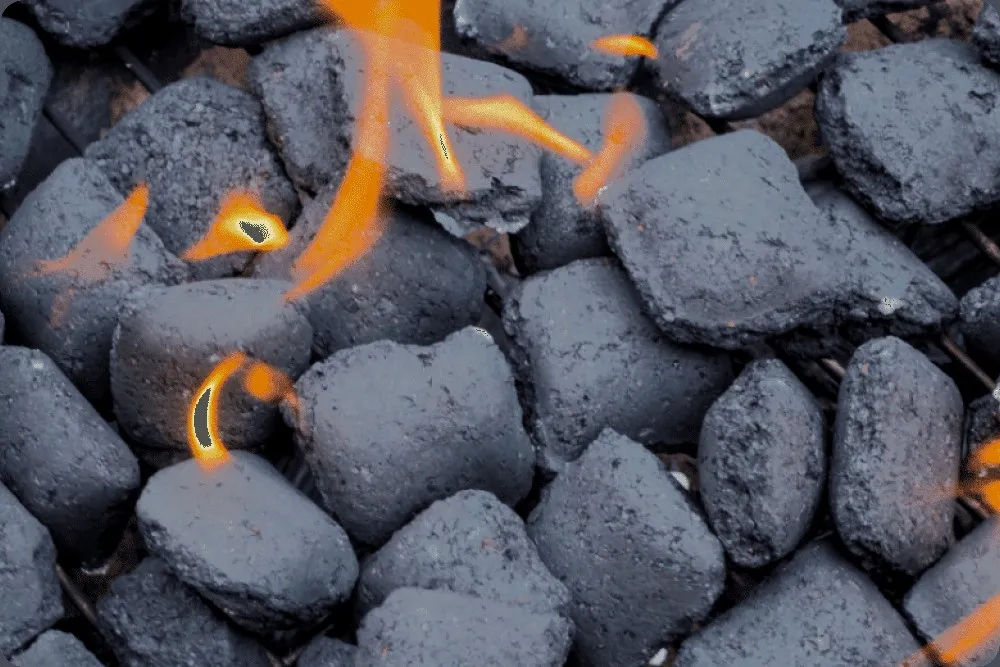
PT Imexindo Dua Bersaudara (IDB) is an Indonesian commodity trading company based in Central Jakarta, supplying Coconut Briquette from Java & Sumatra (HS code 4402.90). About 18 tonnes in a 20ft container. Send the grade, volume, and destination port to sales@dwimexindo.com or WhatsApp +6281776744062 for a quotation.
BEFORE YOU ORDER
These are the points that decide the price and whether the goods fit your market.
2.5 per cent maximum for shisha grade. This is the first figure Middle East buyers ask for, since heavy ash spoils the experience.
Around 7,000 kilocalories per kilogram. It sets the heat produced and feeds into burning time.
Measured per piece at a given size. Together with ash content, these two decide the price more than anything else.
Affects weight and how readily the briquette lights. Damp briquettes also risk mould on a long voyage.
WHY INDONESIA
This is what separates briquettes from kapok and patchouli. The raw material is coconut shell, available all year, and the processing happens in a factory. That means the specification can be repeated from one shipment to the next, as long as the plant holds its material and process steady.
Shisha requires low ash, no odour, and no sparking. Barbecue is looser on those but demands burning time. Name the market at the start, because the grades are not the same.
The 25 mm cube is most common for shisha; hexagonal and finger shapes serve some markets. Size also sets how many pieces make a kilogram, which enters the buyer's own arithmetic.
Some buyers want packaging under their own brand. That can be arranged, but it adds time before loading and needs to be raised before the price is fixed.
FROM ORIGIN TO PORT
Raw material bought from the producing region.
Produced to the grade discussed in your enquiry.
Key parameters compared with the agreed specification.
Cartons, drums or bags as agreed in the quotation.
Checked before loading, shipped with export documents.
PLAN YOUR SHIPMENT
Unlike kapok, which runs out of space first, briquettes are dense enough that a container approaches its weight limit. Freight per kilogram stays sensible, and that is what lets briquettes reach distant markets at a competitive price.
Planning estimate from our reference packing. Final loading, packing and freight are confirmed in the quotation.
PRODUCT DETAILS
Reference specification. Tell us where your requirements differ; the agreed grade and quality parameters are written into the quotation.
Reference figures. Current availability, grade and schedule are confirmed with our team.
Ask about samples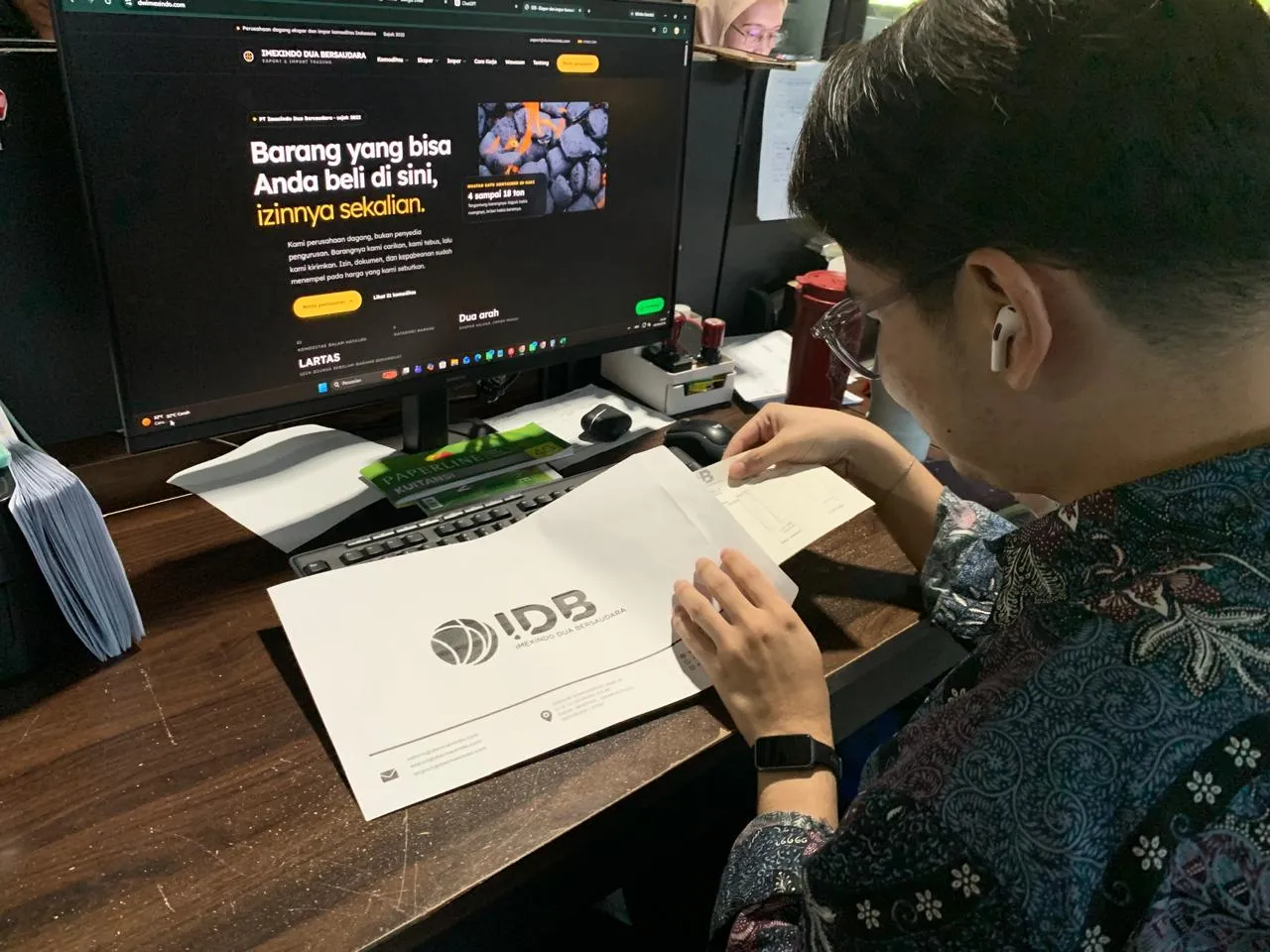
THE PEOPLE BEHIND YOUR ENQUIRY
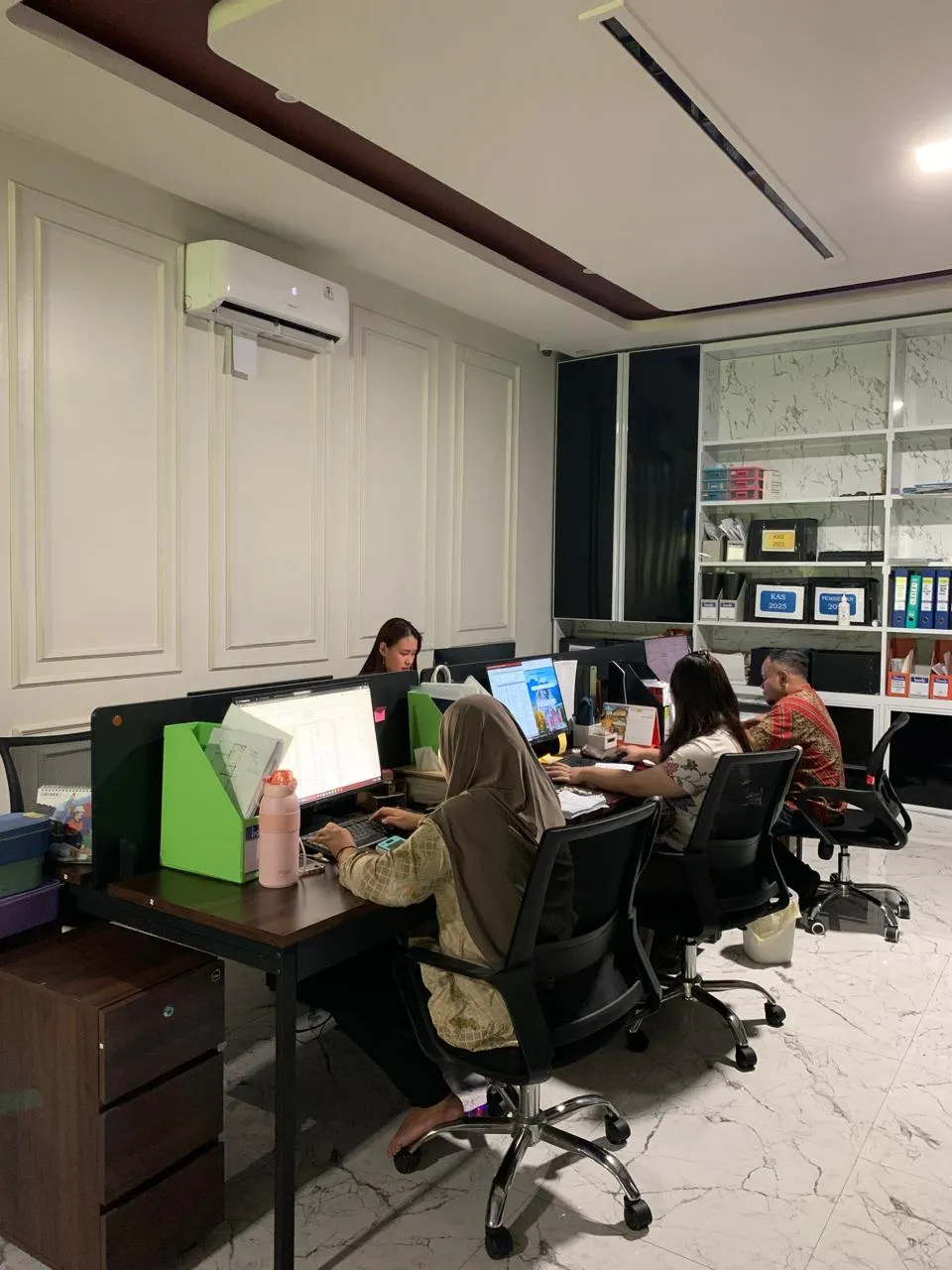
Imexindo Dua Bersaudara is an Indonesian commodity trading company based in Central Jakarta. These photographs show our office and team.
COMMON QUESTIONS
One 20ft container, around 18 tonnes. Because the goods are dense, a full container is the sensible unit on freight, unlike a light commodity such as kapok.
Yes. Raise it at the start, because artwork and printing add time before loading, and the cost sits inside the goods price.
Shisha demands low ash, no odour, and no sparking, so the raw material and process are tighter. Barbecue is looser but demands burning time. Prices differ, so name the market in your first enquiry.
Yes. Ash content, calorific value, and moisture appear on the offer, and the test results travel with the shipping documents.
Yes, and briquettes are the easiest of our commodities to schedule because the raw material runs all year. Tell us the monthly volume so capacity at partner plants can be booked ahead.
QUOTATION
Include these so the first offer is already usable: