
For growers, substrate makers and horticulture distributors buying cocopeat by the container: why EC decides the grade, what washing and buffering change, block format, the sample, and loading.
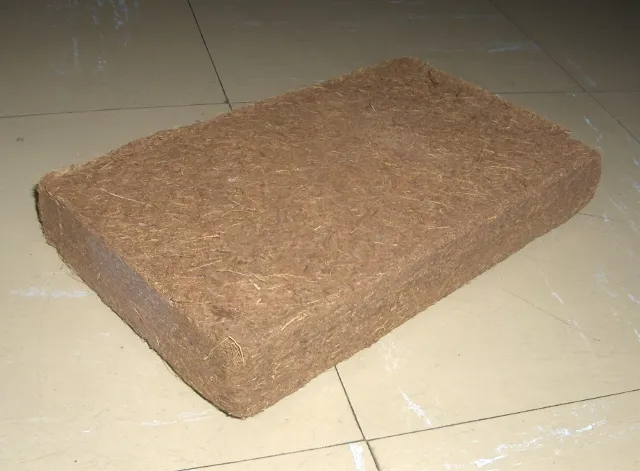
When you buy cocopeat in bulk from Indonesia, one figure matters more than any other: EC, the salt reading of the material. It decides whether the cocopeat can go straight into a growing medium or needs more washing first, and it is the main reason two offers for 5 kilogram blocks can differ in price. Settle the EC limit and how it is measured, approve a sample against it, and the rest of a first container order is fairly routine.
This guide is for greenhouse growers, nurseries, potting mix and substrate manufacturers, and the distributors who supply them. It follows the order a first purchase usually takes: what you are buying, the salt question, the block format, the sample, loading, and terms.
What cocopeat is, and what it is not
Cocopeat, also sold as coir pith or coco peat, is the fine, spongy material left when coconut husks are processed to extract the long fibre. The long fibre goes to mattress, rope and upholstery makers. The pith, which once piled up as waste beside the mills, is what holds water and air in a growing medium. It is the same husk but a different product, so an offer for coconut fibre is not an offer for cocopeat.
That distinction matters when you write to a supplier. Many Indonesian husk processors produce both, and some also make mixes that blend pith with short fibre or chips. If you want pure pith, say so. If your mix needs a share of fibre or chips for drainage, describe it. IDB sources cocopeat from processors in Java and Sumatra, the same coconut belts that supply its coconut fibre.
EC is the number that sets the grade
Coconut husk carries salts, mostly potassium and sodium, and some husks pick up more where they have been stored or soaked near the coast. Those salts stay in the pith. Measured as electrical conductivity, a high reading means the material can harm young roots or upset a fertiliser programme. A low reading means it can be used more or less as it comes.
Getting EC down takes washing with fresh water, and sometimes several rounds of it, followed by drying before the pith can be compressed. That is extra work at the processor, and it shows up in both price and lead time. On IDB's offers, EC is written to the buyer's specification rather than as one fixed grade, because a grower raising seedlings and a manufacturer blending a cheaper bulk mix rarely need the same figure.
One practical point: EC readings depend on how the sample is prepared and how much water is used to extract it. A figure from one laboratory method cannot be compared directly with a figure from another. Before you compare offers, state the method your team uses, or ask which method the supplier's figure refers to.
Washed or buffered
You will see two terms on cocopeat offers. Washed means the salts have been rinsed out with fresh water. Buffered goes a step further: the pith is treated with a calcium solution so that calcium takes the place of the potassium and sodium held on the fibre. Without that step, a washed product can still release those elements once it meets your nutrient solution, and can hold back calcium from the plants.
Whether you need buffering depends on the crop and on whether you plan to treat the material yourself. Some substrate manufacturers prefer to buy washed cocopeat and buffer it in their own plant, where they control the recipe. Many greenhouse growers want it ready to use. If buffering matters to you, ask whether it can be done for your order and how it will be recorded on the quality report.
Writing the specification
Keep the specification to the points your crop or your mixing line actually depends on:
- Product: pure pith, or a stated mix with fibre or chips.
- Maximum EC, with the measurement method, and whether buffering is required.
- pH range, if your growing system is sensitive to it.
- Particle size or screening, and the share of fibre you accept.
- Moisture at packing, so the blocks travel dry enough to stay sound.
- Limits on sand and foreign matter such as husk pieces, stones or plastic.
- Block weight and size, and how the blocks are wrapped and palletised.
If you already buy cocopeat from another origin, send that purchasing specification. Matching a standard your team already trusts is quicker than agreeing a new one over email.
Blocks, loose material and the sample
For export, cocopeat is pressed into compressed blocks so that a container carries pith rather than air. IDB's standard format is the 5 kilogram block, which expands back into a much larger volume once you add water. Loose material can also be arranged where a buyer's process suits it, but most international orders move as blocks. If you need a different block size, ask early, because the processor has to set the press for it.
Ask for a sample before you sign, and ask which lot it represents: the material proposed for your container, or a general example of what the processor makes. When it arrives, run the same tests you will apply to the bulk. Rehydrate a block, check how it expands and how it drains, and measure EC and pH by your own method. Then reply with a clear decision: accepted, rejected, or accepted with stated changes. That decision becomes the reference the shipment is checked against.
A container that fills by weight
Compressed blocks behave very differently from most fibre cargo. Kapok and loose coir fill a container long before they reach its weight limit, as the guide to importing kapok fibre explains. Cocopeat blocks are dense, so a 20ft container takes around 11 tonnes, or roughly 2,200 blocks of 5 kilograms. The exact figure depends on how the blocks are palletised and on the weight limits for your route, so ask for an estimated load before comparing offers.
Moisture belongs in this conversation too. Blocks pressed while too damp can grow mould inside a closed container on a long voyage, which is another reason the moisture figure sits in the contract and not only on the offer.
Terms, documents and the check before loading
Ask for every offer on a named Incoterm. IDB quotes FOB, CFR or CIF from Indonesian ports and puts the Incoterm on the first line, so competing quotes are easy to compare. Payment is usually an advance or a letter of credit, and the sales contract records the specification, quantity, schedule and what happens if the cargo arrives outside the agreed figures. The general sequence is set out on how to order.
Cocopeat is a plant product, and growing media can face specific entry conditions in some importing countries. A phytosanitary certificate and a certificate of origin come as standard on agricultural cargo. Ask your customs broker or plant health authority what your market requires, and say so before contract, while any extra treatment or document can still be arranged before shipment.
Before the blocks go into the container, IDB checks quality, seals the container with the inspector present, and sends loading photographs, a quality report and the container and seal numbers. Read that report against your approved sample and EC limit, and raise anything unclear before the vessel sails.
Planning a cocopeat order with IDB
IDB can help you source cocopeat from Java and Sumatra and set up a container order, from agreeing the EC limit, washing and block format to the sample, export documents and loading. Send your crop or end use, the EC and pH you need, block size, estimated volume and destination port through the IDB enquiry form. The product details are on our cocopeat page, and the trade team will come back with a suitable lot and the next steps for your order.