
Candlenut is kemiri in Indonesian; moisture, kernel condition, and intended use should be clear before an export quotation is discussed.
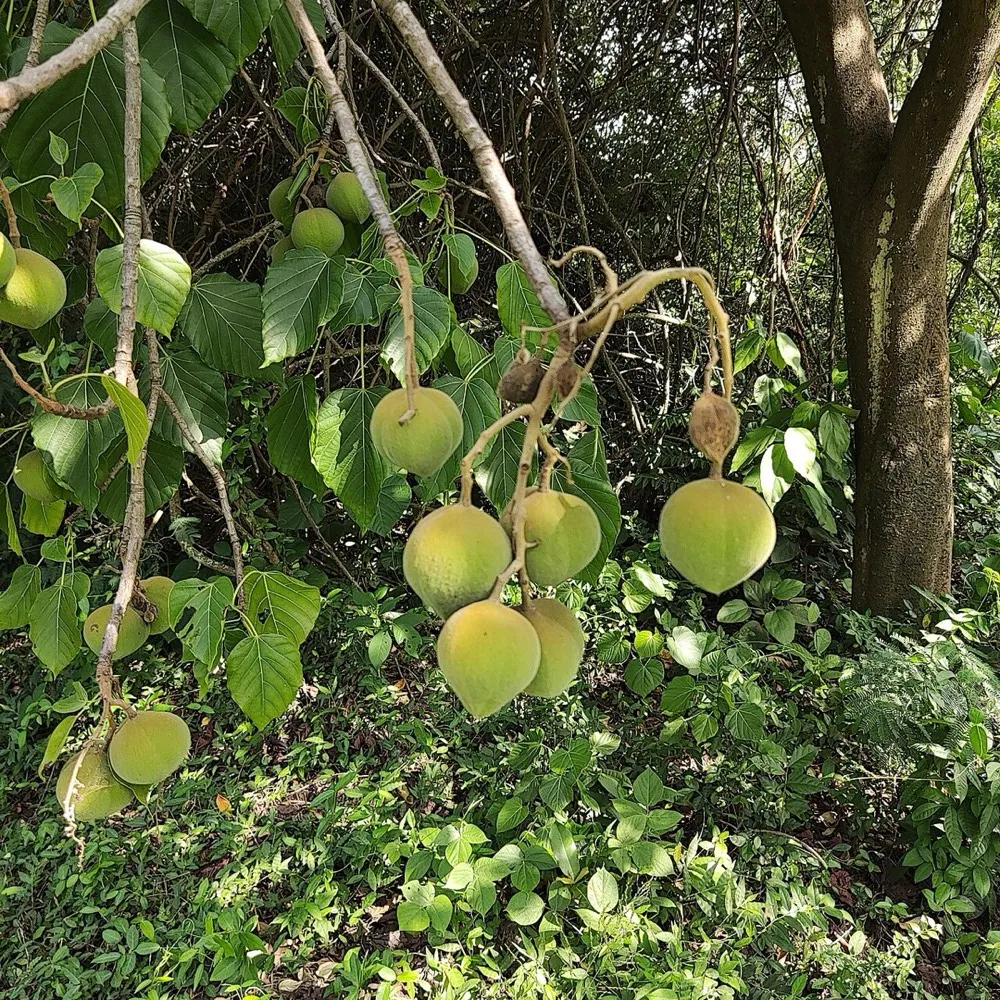
Candlenut is the English trade name for kemiri. For an overseas buyer, that translation is a starting point rather than a complete product description. Candlenut may be requested for food, further processing, or another use that assesses the goods differently. An enquiry that only says candlenut therefore gives too little basis for comparing quotations.
A more useful enquiry sets out the required form, acceptable dryness, kernel condition, estimated volume, and destination country. Those details help the buyer and trader work from the same requirement, from samples through to shipment planning. PT Imexindo Dua Bersaudara is a trading company and discusses commodities against the buyer's specification; it is not a candlenut grower.
This guide is about forming the first questions for an export enquiry, not promising price or stock. Its aim is to make a request for quotation capable of being checked. Where the shipping terms are new to the buyer, the documents before a first export and allocation of responsibilities should be clarified as part of the transaction.
Candlenut and kemiri: describe the product form
Kemiri is commonly called candlenut in English trade correspondence. The name should be followed by the form the buyer needs. A buyer may require peeled kernels, while another requirement may call for a different condition that needs to be stated plainly. The same commodity name should not be assumed to mean the same level of cleaning, size, or appearance.
State the intended use where it affects inspection. This does not require a buyer to disclose a confidential process. It simply identifies which parameters matter. One buyer may prioritise a consistent appearance, while another may need to discuss handling before further processing. That clarity avoids comparing goods which are not truly equivalent.
Why drying belongs in the first discussion
Candlenut is a natural product. Its condition at receipt and in storage affects the way a buyer assesses the goods. Drying should therefore not be treated as a general description. Buyers should set out the moisture requirement or inspection method that genuinely applies within their organisation, then discuss it before a quotation is finalised.
A sound enquiry separates a quality target from an assumption. Where a technical limit is required, ask for that parameter and its inspection method to be recorded together. Where there is no internal standard yet, the buyer can request information about the lot condition and assess a sample first. This is more reliable than deciding quality from a photograph or a grade name alone.
- State the required candlenut form, including whether kernels must be peeled.
- Provide the dryness parameter or inspection requirement used by the buyer.
- Explain the level of uniformity and kernel condition that matters for the end use.
- Separate mandatory requirements from preferences that remain open for discussion.
Whole kernels, broken kernels, and sorting
Kernel condition needs to be understood in relation to the intended use, rather than as a purely visual judgement. Whole and broken kernels may have different implications for subsequent handling. Terms such as whole, broken, clean, or uniform should therefore be defined against the buyer's specification, not used as labels without an inspection meaning.
Sorting can make the discussion more orderly, but it does not replace a specification. A buyer still needs to state size, tolerance for physical condition, or a reference sample where those points matter. When samples are reviewed, keep the same notes in the enquiry and response so that purchasing, quality, and logistics teams are not working from different interpretations.
Build a quotation request that can be compared
Before asking for a quotation, summarise the product, required form, quality parameters, estimated volume, intended use where relevant, and destination country. This does not commit a buyer to a purchase. It gives the parties a basis for ensuring that quotations do not compare candlenut with different conditions or different scopes of handling.
The agreed delivery point should also be discussed for a cross-border shipment. Incoterms can help parties align the division of work, risk, and cost at that point. Read the FOB versus CIF discussion before using either term, then select the term only after it has been understood in the context of the proposed transaction.
From specification to shipment discussion
Once the product need is clearer, a buyer can send the specification, estimated volume, and shipping destination for discussion. Packing or timing details can then be addressed under the eventual agreement. It is not sound to assume that one shipment pattern applies to every destination or every candlenut requirement.
Shipping documentation and requirements should not be assumed to be identical for every transaction either. The final needs depend on the product, destination country, and agreement between the parties. Beginning with a specification helps put those questions in order without making promises that cannot yet be confirmed.
Questions worth sending to a supplier
To start the conversation, provide the candlenut or kemiri description required, expected kernel condition, quality parameters that are mandatory, estimated volume, and destination country. If an internal reference sample or inspection format exists, mention it early. IDB can assess the fit of that enquiry and prepare a quotation discussion around more complete information.
Where the requirement is still changing, say which points remain provisional. Volume may be an early estimate and the destination may still be under consideration. That is more useful than presenting an unconfirmed figure as final. It lets the supplier ask focused follow-up questions instead of guessing the basis of the quotation.
Keep the latest version of the specification in writing. A small change to the kernel form, dryness requirement, or destination may alter the quality and shipment discussion. Written notes help purchasing, quality, and logistics teams assess samples against the same requirement rather than rely on earlier conversations.