
Hollow fibre
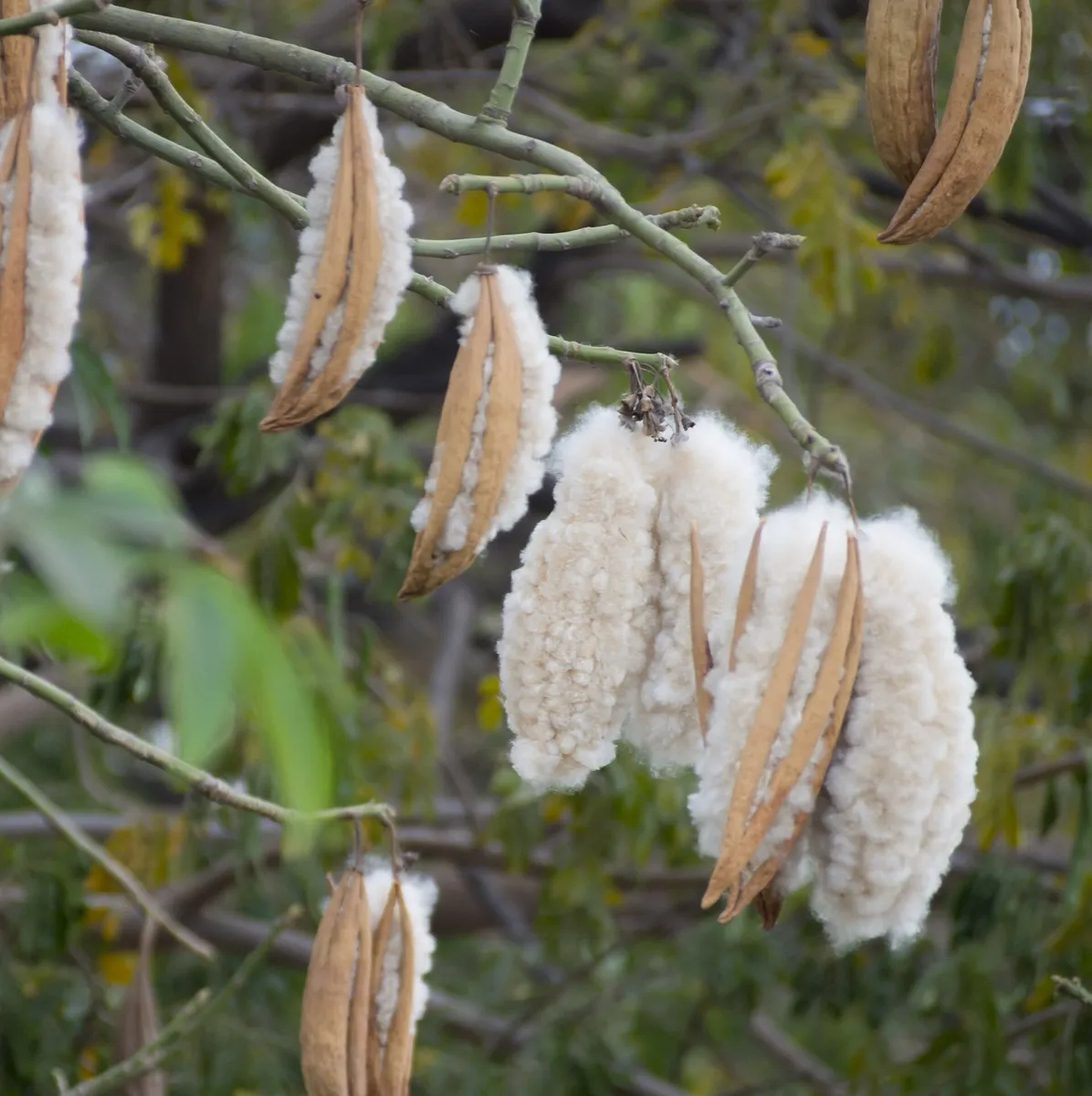
Each fibre is a thin tube filled largely with air, so kapok is remarkably light for its volume.
JAVA KAPOK · BULK SUPPLY
Source kapok fibre from Java in 100 kg pressed bales. Tell us your required volume, grade and destination to request a quotation. Samples are available before contracting.
WHY KAPOK
Each fibre is a thin tube filled largely with air, so kapok is remarkably light for its volume.
A natural waxy surface sheds water, one reason kapok has long been used in buoyancy products.
A smooth natural fill traditionally used for pillows, mattresses and cushions.
Harvested from the pods of the kapok tree (Ceiba pentandra). The tree stays standing and fruits again.
A FIBRE. MANY POSSIBILITIES.
Tell us how you plan to use kapok. A sample and an agreed specification help you assess the right fit before a bulk order.
Discuss fibre cleanliness, feel and your filling process before selecting a grade.
Share your filling requirements so the sample can be evaluated for your product.
Kapok’s water-repellent fibre has a long history in buoyancy aids. Test performance against your own standard.
Start with a sample evaluation. Suitability depends on your process and performance requirements.
FROM POD TO PORT
Collected in Pati, Jepara and East Java growing areas.
Seeds, husk and twigs removed from the fibre.
Target 12% max so bales travel without heating.
100 kg bales, packed tight to save container space.
Checked before loading, shipped with export documents.
PLAN YOUR SHIPMENT
Kapok fills a container by space long before it reaches the weight limit. That is why a 40ft high cube usually gives the better cost per kilogram.
Reference figures: about 4 tonnes per 20ft and 9 tonnes per 40ft high cube with 100 kg pressed bales. Final loading and freight are confirmed in the quotation.
PRODUCT DETAILS
Compare the sample with your requirements for moisture, foreign matter and fibre cleanliness. Confirm the grade and packing in the quotation.
Minimum order: 1 container. Confirm current availability, grade and shipment schedule with our team.
Ask About Samples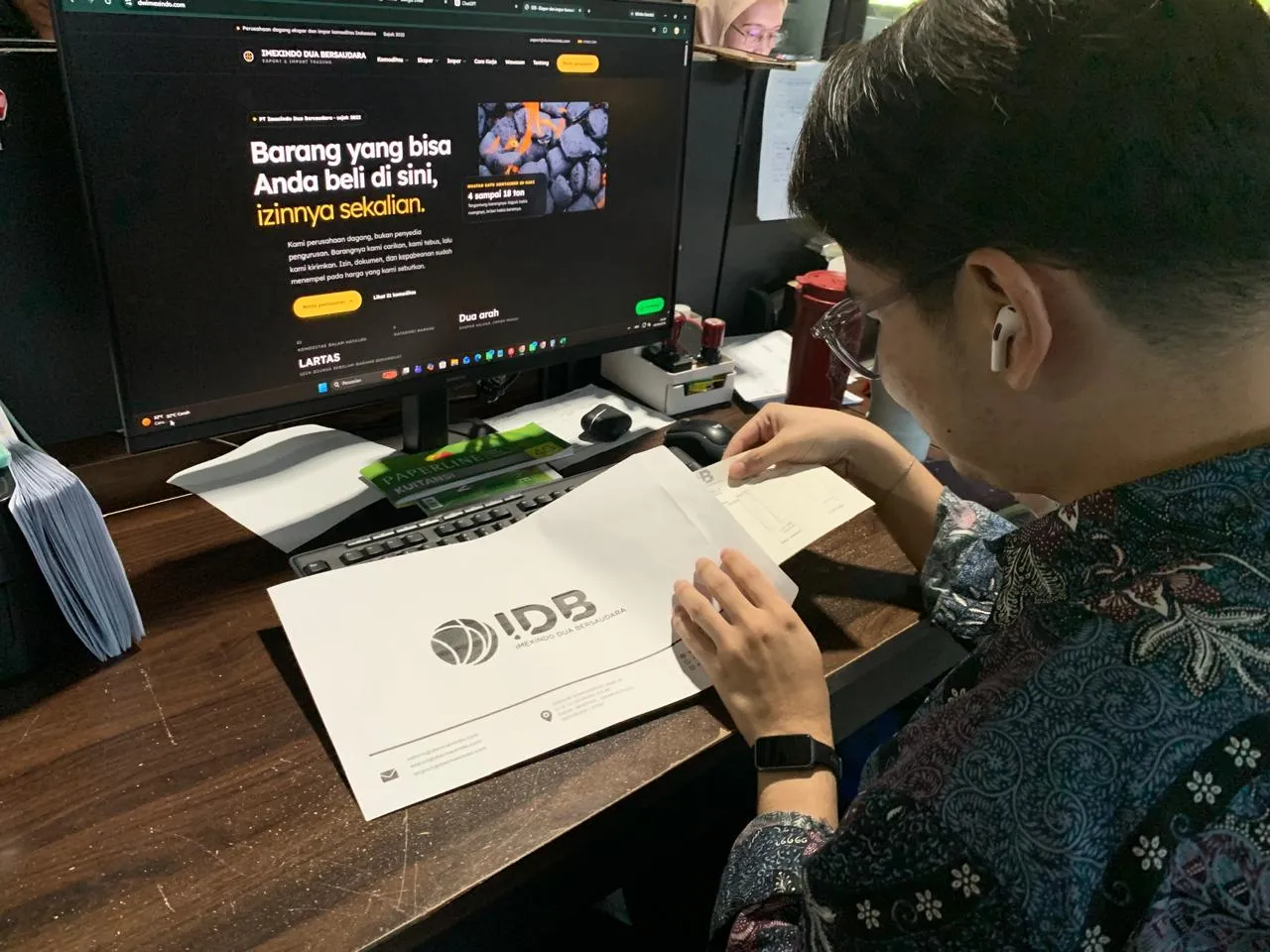
THE PEOPLE BEHIND YOUR ENQUIRY
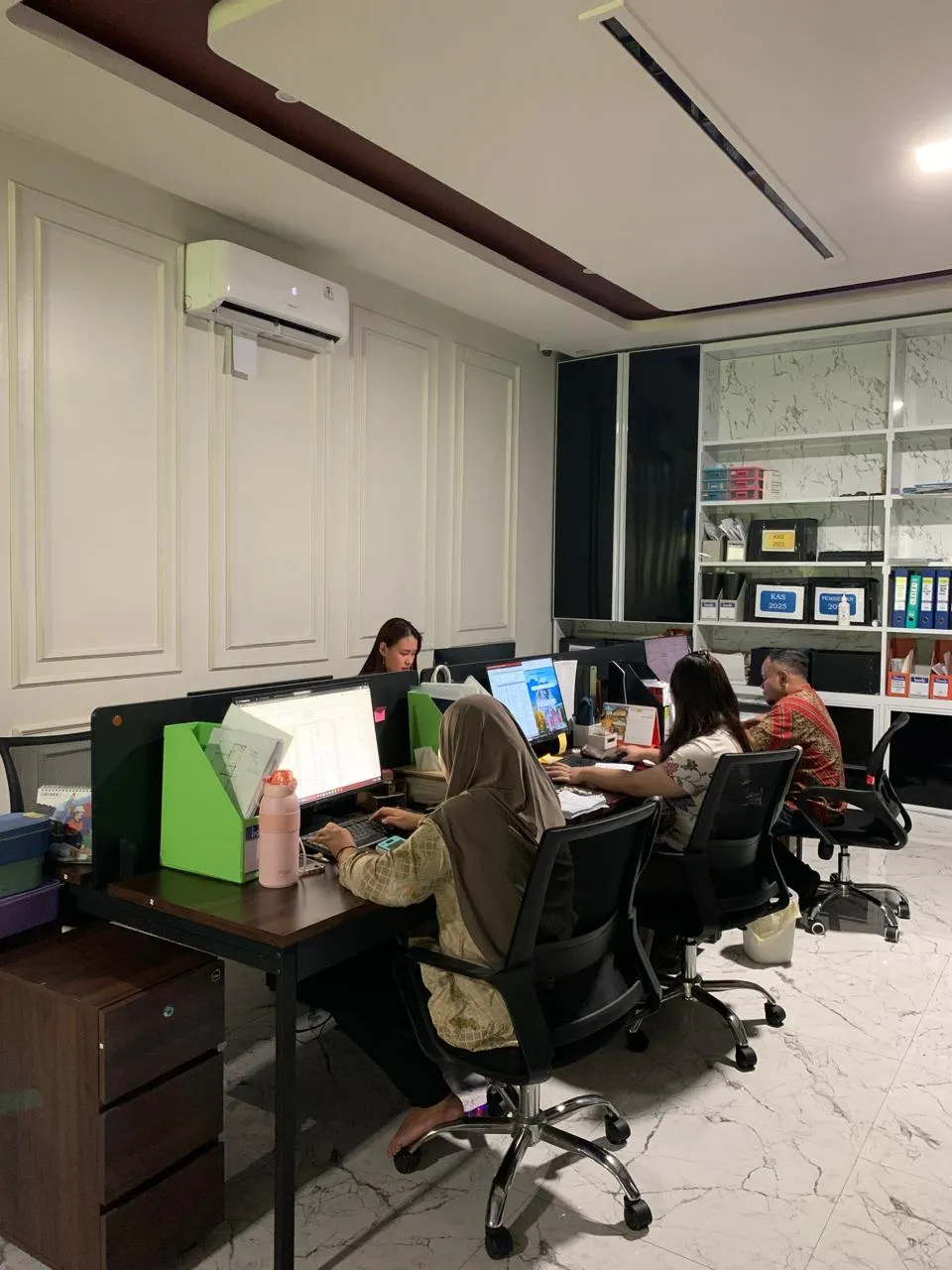
Imexindo Dua Bersaudara is your point of contact for discussing product requirements and a quotation. These photographs show the company office and team.
COMMON QUESTIONS
One container. For kapok a 40ft high cube nearly always makes more sense than a 20ft, because the goods are light and space rather than weight sets the cost.
Yes, but the arithmetic changes considerably. Raw pod kapok takes far more space for the same weight, so the cost per kilogram rises. Tell us the end use and we will price both options.
Current stock is ready to load without waiting for the next harvest. For repeat shipments, tell us the schedule you need so collection from suppliers can be arranged earlier.
Yes. Samples are sent before contracting, and the pre-loading quality check later goes into the shipping documents.
Because large buyers are used to buying from hubs that have already re-sorted it. Buying directly from Indonesia removes that layer, provided the grade is agreed at the start.
KAPOK ENQUIRY
Send your volume and destination. Mention your intended use and whether you need a sample.
Minimum order: 1 container. Confirm current availability, grade and shipment schedule with our team.
Discuss Kapok on WhatsApp