
FAQ, ASTA, and bulk density are the three terms that set the price of pepper. Knowing them makes negotiation far faster.
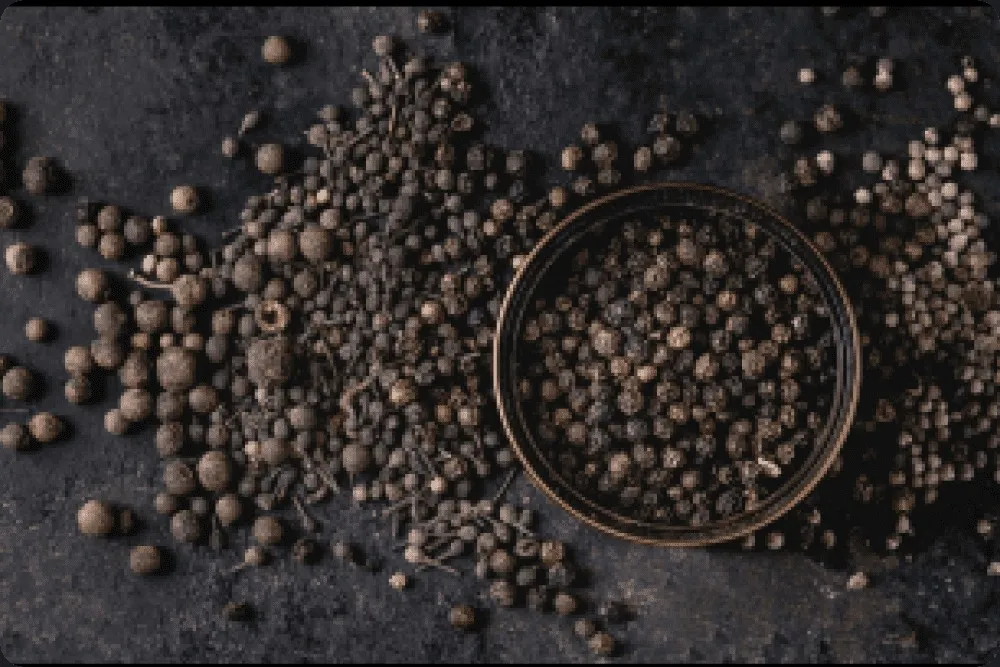
Pepper is Indonesia's most requested export commodity, and the one most often misunderstood in negotiation. These three terms appear in nearly every enquiry.
FAQ: the grade commonly traded
FAQ stands for fair average quality, the reasonable average grade for trade. It requires no special cleaning, so foreign matter stays within commonly accepted limits.
Most industrial buyers use this benchmark because the price is lower and they re-clean at their own plant.
ASTA: the grade with extra cleaning
ASTA refers to the standard drawn up by the American Spice Trade Association. Pepper at this grade goes through extra cleaning, so foreign matter and contamination are far lower.
Buyers in the United States and Europe usually require it. The price is higher and preparation takes longer because of the extra step.
Bulk density: the most direct price benchmark
Bulk density is stated in grams per litre. For black pepper, 500 to 550 g/l is the range traded most. The higher the number, the denser the corn and the higher the price.
- 500 g/l is the base grade most widely available.
- 550 g/l needs stricter sorting and is not always available year round.
- For white pepper the usual benchmark is 600 grams per litre and up.
Writing a clear enquiry
A good enquiry states four things at once: the pepper type, the grade, the bulk density, and the maximum moisture. Without all four, the quotations you receive will each stand on a different basis.
We put those four numbers on every pepper quotation, together with the growing region and an estimated preparation time.