
A coconut charcoal briquette enquiry is easier to compare when shape, quality, packing, and inspection methods are written down from the start.
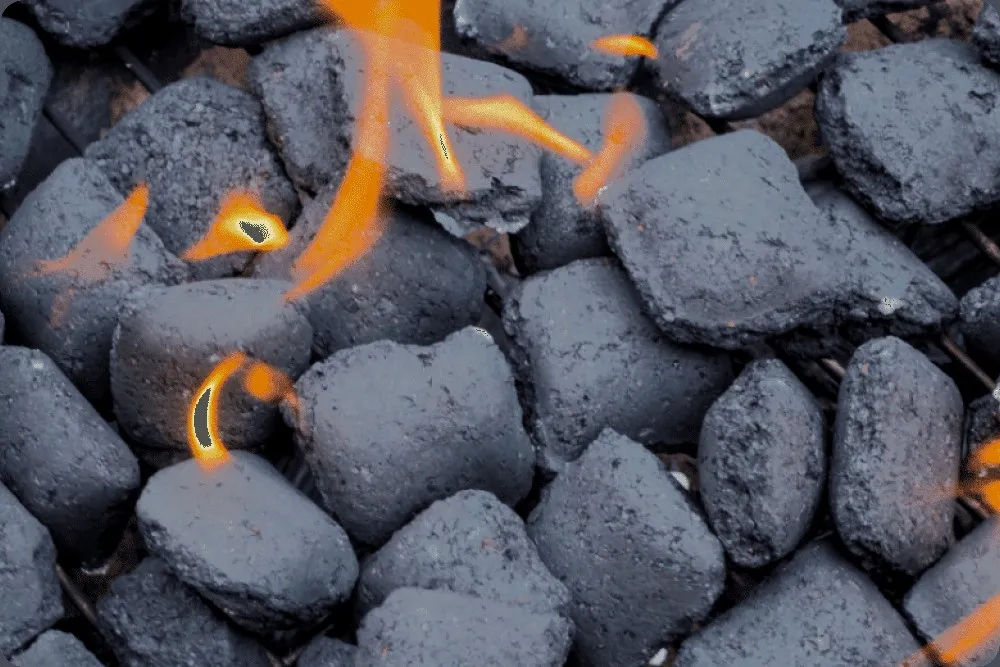
A buyer of coconut charcoal briquettes usually needs more than a price indication or a reference to shisha use. The specification needs to be aligned before quotations can be compared. The same product name can cover cube or hexagonal shapes, different sizes, and quality or packing requirements that are not interchangeable.
A useful answer is therefore not one set of figures that applies to every transaction. The buyer should explain the end use, mandatory parameters, estimated volume, and destination. PT Imexindo Dua Bersaudara is a trading company that discusses a buyer's requirement against supply available for discussion; it is not a briquette manufacturer.
This guide sets out the points commonly raised in a coconut briquette export enquiry. It is about making a request for quotation checkable, not promising price, stock, or a delivery date. If this is a first export discussion, keep the goods and documentation before export conversations distinct from the outset.
Start with use: shisha or barbecue
The most useful first question is how the briquettes will be used. A shisha enquiry often pays close attention to steady burning, ash residue, odour, and consistent shape. A barbecue requirement may have different priorities. Naming the end use early helps both parties identify which parameters should lead the sample and quotation discussion.
Do not treat the phrases shisha charcoal or shisha briquette as a complete specification. They can start a conversation, but the buyer still needs to confirm shape, size, inspection approach, and its own acceptance criteria. Where the buyer has a comparator sample or an internal specification sheet, it should be provided before conclusions are drawn.
Ash content: state the limit and how it is read
Ash content is often one of the first quality parameters discussed, particularly for shisha use. The residue left after burning affects the user experience and the way the product is assessed. A target figure should not be sent without context, however. Record whether the limit is mandatory, which method or laboratory the buyer normally uses, and whether checking happens on a sample or a goods lot.
Buyers should also separate a requested target from an unproven claim. An enquiry can state the desired ash-content limit and ask for available test information to be discussed. This is clearer than asking for the best quality without a definition. Sample findings and acceptance requirements can then sit in the same version of the specification.
Moisture, calorific value, and burning time belong together
Moisture affects the condition of goods in storage and transit. Calorific value relates to heat output, while burning time needs to be read against a particular shape and size. All three are useful parts of a quality picture, but they should not be treated as standalone numbers. Different briquette forms can produce a different burning experience.
In a quotation enquiry, name the parameters that are genuinely required and ask for the inspection method used for them. If the buyer has no internal threshold yet, request information about the sample condition and assess it first. This avoids deciding from a product photograph or a short description that does not show how a value was obtained.
- State the end use and briquette form required.
- Set out mandatory quality limits and the inspection method where available.
- Separate expected results from parameters that still need sample evaluation.
- Keep one specification version for purchasing, quality, and logistics teams.
Cube, hexagonal, and size requirements
Shape is part of the specification, not merely a presentation choice. A buyer may require cubes, hexagonal pieces, or another form to suit its equipment and intended use. The size of each piece should also be written plainly. Without that detail, two products both called coconut briquettes can be difficult to compare because packing density, handling, and burning behaviour will not be identical.
Include a relevant tolerance where the buyer has one. For example, the buyer may say whether size consistency is essential or whether there is a limit for broken pieces. If no accepted limit exists, discuss a sample first. One size should not be presented as the universal answer for every country or use.
Packing and carton condition on receipt
Packing should be discussed alongside shape and quality. A buyer may need a net weight per carton, an internal arrangement, markings, or extra protection for its distribution channel. These details belong in the enquiry because packing is not a minor addition after quality has been agreed. It affects how the goods are handled and inspected on arrival.
Provide the destination country and receiving point under consideration as well. In a cross-border transaction, the division of responsibility and cost needs to be understood through agreed terms. The Incoterms overview gives useful context, but a delivery term must still be selected for the transaction being discussed rather than assumed from an earlier shipment.
Build a quotation request that can be checked
A well-formed request includes end use, shape and size, mandatory quality parameters, packing, estimated volume, and destination country. Add an inspection method or reference sample where one exists. This information does not commit a buyer to purchase, but it prevents quotations being compared on different product bases.
Where an element is not final, label it as provisional. Volume, packing artwork, or the destination port may change during planning. It is better to say this openly than to supply a figure that looks fixed but has not been approved. IDB can assess whether the request is complete and ask relevant follow-up questions before a quotation discussion continues.
Next step: send a specification, not only a product name
To begin the discussion, send the required briquette specification with the end use, inspection parameters, packing, estimated volume, and destination country. If there is a test result or a comparator sample, explain its role as the buyer's reference. A complete request gives a sounder basis for assessing product fit.
Keep specification changes in writing as well. A small revision to cube size, ash limit, or packing can change the quality and shipment discussion. The same written record helps the buyer, trader, and inspection team return to the same requirement when a sample or quotation is reviewed again.